From Splurges to Steals, These Bordeaux Wines Are Thrilling
Spread across 234,000 acres, Bordeaux has the largest continuous vineyard area in the world. It takes nearly three hours to drive from one end to the other, past mile upon miles of vineyards, generally meticulously maintained. While wine quality varies, even the region’s lowliest wine is now very drinkable.
At the heart of Bordeaux is the city. Anyone imagining a pretty village will be astonished by the urban area of over a million people. The Bordeaux city center is, after Paris, the most beautiful in France, a medieval quarter next to an 18th and 19th century area. The banks and quays of the Garonne river are now a destination in their own right, as is the futuristic, eight-story Cité du Vin wine and cultural center.
Despite the potential confusion of its 58 appellations, Bordeaux’s geography can neatly be divided into two: Left Bank and Right Bank. These terms refer to the banks of the Garonne river and the Gironde estuary. Along with the Dordogne river, these major waterways have a huge influence on soils and climate, as well as where grape varieties are predominantly grown.
The Left Bank consists of low-lying, mainly gravel soils that help drainage and keep the vineyards warm. The late-ripening Cabernet Sauvignon is at home here, producing the finest wines of the Médoc (including Pauillac, Saint-Julien, and Margaux) and the Graves (Pessac-Léognan and Graves) regions.
The Right Bank is more hilly, with rolling hills in the Entre-deux-Mers region (between the Garonne and Dordogne rivers) and escarpments and plateaus in the prestigious regions of Saint-Émilion and Pomerol. In this drier climate, where clay soils are dominant, the Merlot and Cabernet Franc grape varieties are comfortably at home.
Classifying Bordeaux
There are around 7,000 individual wineries in Bordeaux, so learning all the names can be daunting. Thankfully, there are many classifications that make life easier, all of which are identified on labels.
At the top of the tree are the Crus Classeés, the classed growths of the Left Bank. There are 61 red wine estates in the Médoc and Graves, divided into five levels (from the famed First Growths at the top). Established in 1855, and only changed once since, this classification also includes 27 estates producing the sweet wines of Sauternes and Barsac.
A rung below the Crus Classés in the Médoc are the Crus Bourgeois, which is reclassified every year. There are 170 estates in the 2025 classification, based on criteria that includes taste, visitor facilities, and traceability of the grapes in the wines. These properties are divided into Crus Bourgeois Exceptionels (14 estates and the best), 36 Crus Bourgeois Supérieurs, and Crus Bourgeois.
// Create the element
var script_692e085362627 = document.createElement(“script”);
script_692e085362627.innerHTML = `
window.googletag = window.googletag || {cmd: []};
googletag.cmd.push(function() {
var adType = “leaderboard”;
var mapping;
var lbmapping = googletag.sizeMapping()
.addSize([1024, 0], [[970, 250], [970, 90], [1, 1], [728, 90]])
.addSize([728, 0], [[728, 90], [1, 1]])
.addSize([320, 0], [[1, 1], [300, 50], [300, 100], [320, 50], [320, 100]])
.addSize([0, 0], [[1, 1], [320, 50]])
.build();; // Size mapping for leaderboard ads
var medrecmapping = googletag.sizeMapping()
.addSize([1024, 0], [[300, 600],[300, 250]])
.addSize([728, 0], [300, 250])
.addSize([320, 0], [[1, 1],[300, 250]])
.addSize([0, 0], [[1, 1], [300, 250]])
.build(); // Size mapping for med rectengle ads
if(‘/39808611/article_page/article_leaderboard_1’ == ‘/39808611/article_page/article_leaderboard_1’
|| ‘/39808611/article_page/article_leaderboard_1’ == ‘/39808611/article_page/article_leaderboard_2’
|| ‘/39808611/article_page/article_leaderboard_1’ == ‘/39808611/article_page/article_leaderboard_3’) {
mapping = googletag.sizeMapping()
.addSize([1920, 0], [[728, 90]]) // >= 1920px
.addSize([1440, 0], [[728, 90]]) // 1440px-1919px
.addSize([730, 0], [[300, 250]]) // 730px-1439px
.addSize([0, 0], [[320, 100], [320, 50], [300, 100], [300, 50], [300, 250]]) // Up to 729px
.build();
} else {
mapping = adType == ‘leaderboard’ ? lbmapping : medrecmapping;
}
googletag.defineSlot(‘/39808611/article_page/article_leaderboard_1’, [],
‘div-gpt-ad-692e085362627’).addService(googletag.pubads()).defineSizeMapping(mapping);
googletag.pubads().enableSingleRequest();
googletag.pubads().collapseEmptyDivs();
googletag.display(‘div-gpt-ad-692e085362627’);
});
`;
// Append the script to the body
document.body.appendChild(script_692e085362627);
Further south, Graves has its own classification of 16 estates, created in 1953 and never touched. All the Graves classified properties are in the Pessac-Léognan appellation.
Across Bordeaux, in Saint Émilion, there is a classification of estates that is made every 10 years and provides a benchmark of quality. Look for Premier Grand Cru Classé and Grand Cru Classé. Always contentious, with lawsuits flying from estates that are being demoted, the next classification is 2032.
Table of Contents
- Weather Report
- Trend Report
- Futurecast
- What to Drink Right Now
- Bordeaux’s Red Blends
- White Wines
- Dessert Wines

Weather Report
Bordeaux is close to the Atlantic and has an ocean climate. However, because of its size, the climate does vary. The vineyards closest to the ocean, in the Médoc, have a climate that is moister than that found in the more inland Saint-Émilion. Climate change is bringing warming, fewer cold spells in the winter with more rain in the spring, and increasing heat waves in the summer when temperatures can go over 100 degrees F.

Trend Report
A New Generation Takes the Lead
Despite its old-fashioned image, Bordeaux is perhaps the most technically advanced wine region in the world, both among the vines and in the cellar. This knowledge has spread throughout the wine business in Bordeaux, as a younger, more educated generation has taken over from its elders. The University of Bordeaux’s wine school is a training ground for vineyard managers and winemakers around the world, as well as in Bordeaux. Its research has meant that graduates enter work understanding the importance of the effects of climate change.
Sustainability and Biodiversity Reign Supreme
Bordeaux is 75% registered sustainable, which means that both the vines and the wineries are committed to reducing the environmental footprint and maintaining biodiversity. Increasing tree and hedge planting among the vines create a more friendly habitat for animals and birds. The spread of organic and biodynamic vineyards and the banning of herbicides have added to the welcoming environment.

Futurecast
Cabernets Will Steal the Show
Expect a decline in Merlot plantings and an increase in Cabernet Sauvignon and Cabernet Franc. Merlot is increasingly suffering from climate change, causing high alcohols that give wines a pepper flavor and a lack of balance. The increase in the two Cabernets will provide red wines with extra structure without losing richness.
The Continued Rise of Dry Whites
Dry white Bordeaux has seen a significant boost in key exports, with the U.S. being the number one export market for this category. As global preferences veer towards white wines, Bordeaux’s excellent examples will only continue to garner attention.
What to Drink Right Now
Bordeaux Red Blends
These red wine recommendations feature two main types of blends: bottles based on Cabernet Sauvignon (mainly Left Bank) and those based on Merlot and Cabernet Franc (mainly Right Bank). These picks come from across the budget spectrum.
Wine Enthusiast recommends:
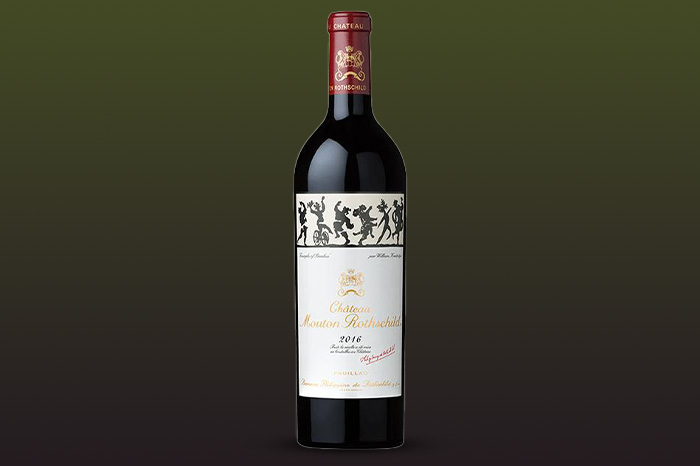
Château Mouton-Rothschild 2016 Premier Grand Cru Classé Pauillac
$900
Wine.com

Château Paveil de Luze 2019 Cru Bourgeois (Margaux)
A vineyard in Soussans in the northern part of the Margaux appellation has produced this elegantly textured wine. Ripe black fruits and ageworthy tannins offer spice and touches of licorice as well as fruitiness. Drink from 2026. Cellar Selection. 92 points — R.V.
$37
Buon Vino Cellars
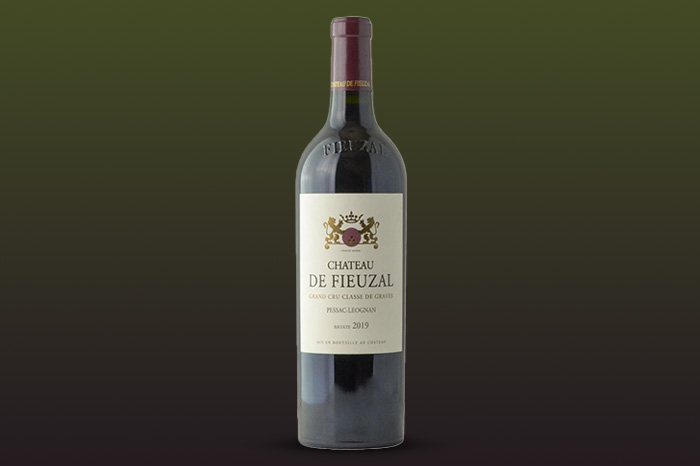
Château de Fieuzal 2019 Pessac-Léognan
The succulence of this wine is impressively palpable. It adds black currant fruits to spice, while keeping solid tannins in the background. This fine combination means it will certainly age well. Drink from 2026. Editors’ Choice. 94 points — R.V.
$45
JJ Buckley
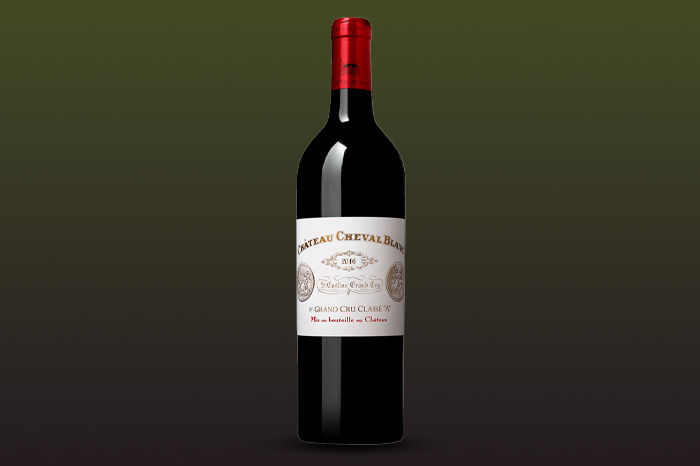
Château Cheval Blanc 2016 Saint-Émilion
Rich, smoky and with powerful fruit, this structured wine also has an impressive perfumed character. Spice, blackberry fruits and rich tannins give wonderful firmness that will allow the wine to age well. Drink this already beautiful wine from 2025. Cellar Selection. 97 points — R.V.
$1000
Wine.com

Domaine de l’A 2020 Castillon Côtes de Bordeaux
Dense and rich, this wine also has stylish black fruit freshness, with acidity and structure shaped subtly. The wine is set for medium-term aging. Drink from 2025. Cellar Selection. 92 points — R.V.
$49
Wine Cellarage
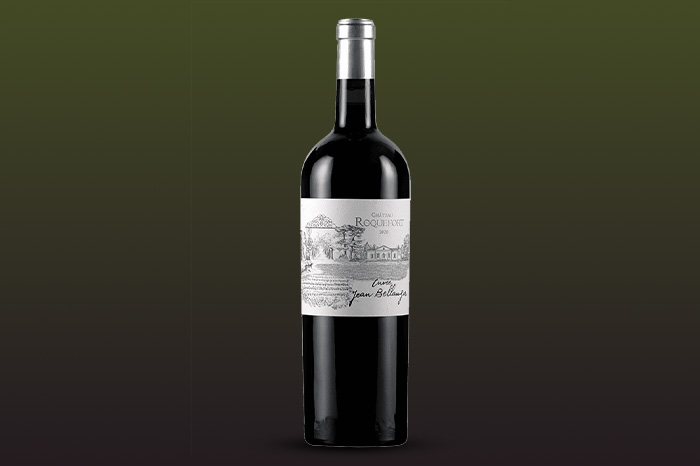
Château Roquefort 2020 Cuvée Jean Bellanger (Bordeaux Supérieur)
Aged for two years in wood, this special cuvée in its heavy bottle is rich and dense. It has a black chocolate aroma and concentrated black plum flavors. A powerful, rich wine, drink from 2027. Editors’ Choice. 91 points — R.V.
Inquiry with the winery
White Wines
With all the commotion around its reds, it is easy to forget that Bordeaux has a great tradition of white wines. Based on Sauvignon Blanc and Sémillon, sometimes with the addition of Sauvignon Gris and Muscadelle, many of these whites have tremendous aging potential, and others are simply enjoyable, drinkable, and great value.
Wine Enthusiast recommends:

Château Haut-Brion 2017 Pessac-Léognan
This will be a magnificent wine. Its structure, acidity and richness all show considerable potential. A crisp edge contrasts with the concentration and density that comes from the swaths of fruit. Wood aging has opened out the tanginess of a wine that will age over many years. Drink from 2024. Cellar Selection. 98 points — R.V.
$900
Total Wine

Château de Chantegrive 2024 Cuvée Caroline Bordeaux-style White Blend (Graves)
This intense wine is set for aging. Its ripe fruits and its toasty aroma show the wine’s weight and balance. This is a rich wine, produced by the Lévêque family, full of pear and apple flavors with a spicy aftertaste. Drink from 2027. Cellar Selection. 93 points — R.V.
Inquire with winery
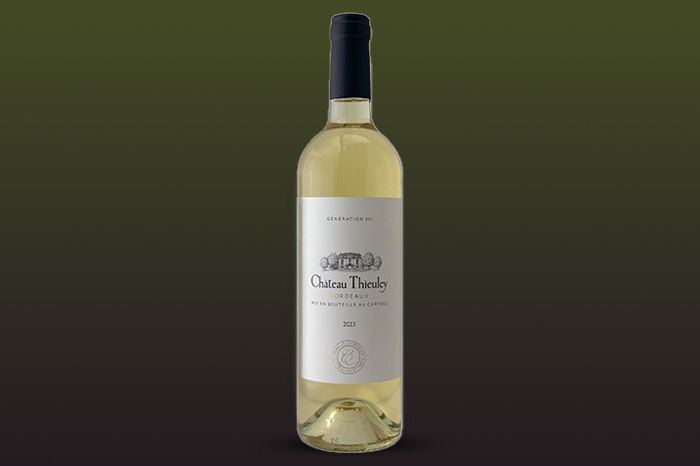
Château Thieuley 2023 Bordeaux Blanc
A good touch of ripe white fruits gives this wine, with its quince and pear aromas, a rounded character. Its red-apple flavors are cut with citrus, and perfumed from the Sauvignon Gris in the blend. Drink the wine now. Best Buy. 90 points — R.V.
$15
JJ Buckley
Dessert Wines
Dessert wines are the secret glory of Bordeaux. Though they are unsung and unfashionable, they can be superb. Made using grapes that have noble rot that develops in the fall, the greatest examples come from Sauternes and neighboring Barsac.
Wine Enthusiast recommends:
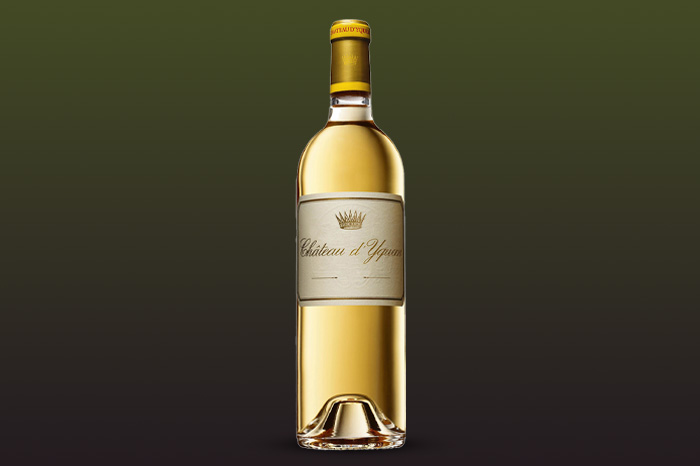
Château d’Yquem 2020 Sauternes
The floral wine has great intensity, dominated at this stage by the concentrated botrytis. It is powerful, rich, balancing acidity and sweetness. This of course is a great wine that will age, but it is almost ready now. Drink from 2027 and for many years. Cellar Selection. 97 points — R.V.
$409
Wine.com
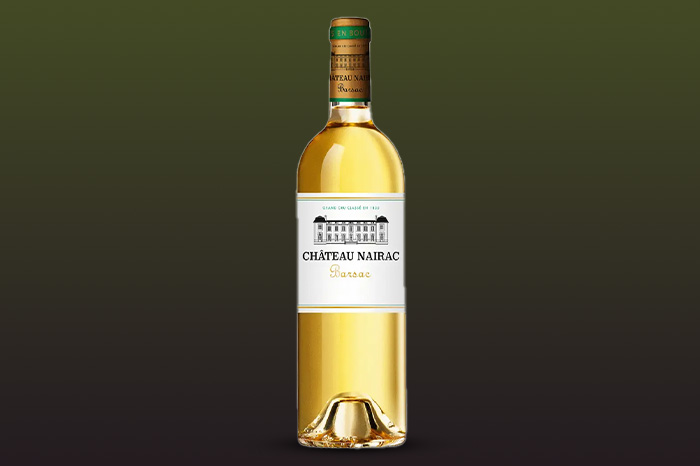
Château Nairac 2022 Sémillon (Barsac)
This elegant wine exudes ripeness and spicy honey aromas. Tropical fruits and a light touch of acidity are poised and finely balanced. The wine’s botrytis texture is just right. Drink the wine from 2027. Cellar Selection. 94 points — R.V.
$65
Total Wine
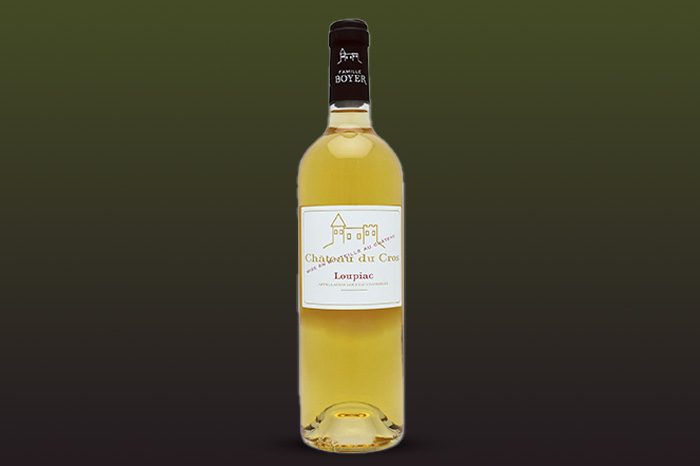
Château du Cros 2020 Loupiac
Inquire with winery
More French Wine Coverage
- For quality, value, and rare varieties, look to the wines of Southwest France.
- The ultimate guide to French rosé, organized by region.
- It’s time to get to know the Loire Valley beyond Sancerre.
- These top-rated Rhône wines are made for aging.
- From salty whites to wild reds, Corsican wine should be your next obsession.

In the shop
Full Grain Buffalo Leather 6-Bottle Wine Bag with Corkscrew & Aerator Personalized
In Stock | $215
The post From Splurges to Steals, These Bordeaux Wines Are Thrilling appeared first on Wine Enthusiast.