Sagrantino di Montefalco the sacred soul of Umbria • WineDivaa
By: Martha Cisneros Paja
Let’s unveil Sagrantino di Montefalco: The Bold, Sacred Soul of Umbria
If you’re the type of wine lover who finds “light and airy” a bit too polite, then welcome to your new obsession. While many flock to Tuscany for their Italian red fix, true wine aficionados know that the real power resides in the green heart of Italy: Umbria.
Specifically, we’re talking about Sagrantino di Montefalco. This red wine is not as common as Chianti or Bolgueri but let me tell you is a powerhouse. It is unapologetically structured, intensely complex, and built for those of us who crave a wine with serious backbone. Let’s dive into why this 100% Sagrantino gem is the ultimate choice for fans of bold, high-tannin reds.
Big Bold Red Wines fan? Get more Red Bold Wine Recommendations here
The Bold Characteristics of Sagrantino di Montefalco
What sets Sagrantino di Montefalco apart from other Italian reds is its sheer intensity. Made from 100% Sagrantino grapes, this wine is famous for having some of the highest tannin levels in the world. If you find Pinot Noir too thin and crave a wine that truly coats the palate, this is it.
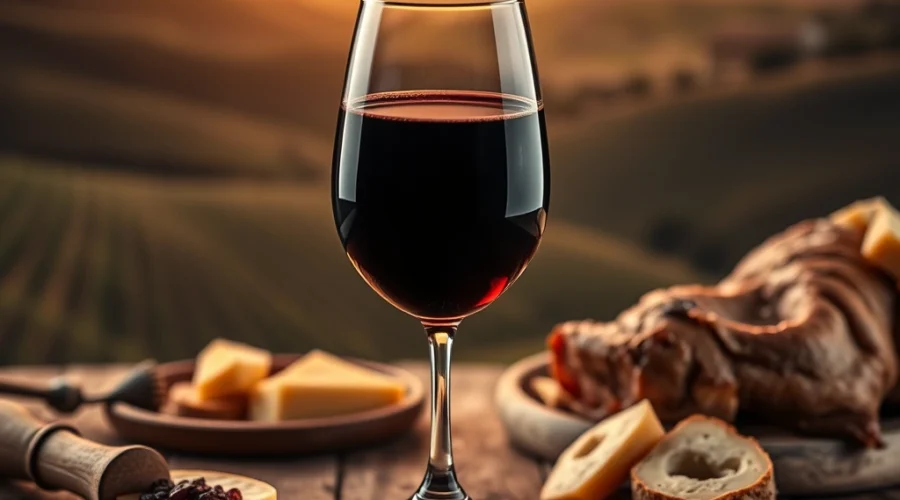
In the glass, it’s a deep, almost opaque purple. On the nose, you’ll find a symphony of dark fruits: think blackberry, black cherry, and plum. But the real magic happens during the aging process. Wood plays a complementary and vital role here. The time spent in oak barrels softens those formidable tannins while introducing sophisticated notes of vanilla, spice, tobacco, and cocoa. It is a structured, full-bodied masterpiece that only gets better with age.
Pro Tip: Don’t confuse this with Montefalco Rosso. While both are delicious Umbrian wines, the “Rosso” is a blend (usually featuring Sangiovese), whereas Sagrantino di Montefalco is the pure, undiluted expression of the Sagrantino grape.
Perfect Food Pairings for Sagrantino di Montefalco
Because of its massive structure and high tannin content, Sagrantino di Montefalco needs a partner that can stand up to its strength. This is not a “sip by itself on the porch” kind of wine; it demands a feast.
To balance the tannins, look for foods high in protein and fat. Classic Umbrian pairings include:
- Roasted Meats: Think slow-cooked lamb, beef roast, or wild boar.
- Aged Cheeses: A sharp, aged Pecorino or a salty Parmigiano-Reggiano works wonders.
- Earthiness: Dishes featuring black truffles (another Umbrian specialty) or porcini mushrooms complement the wine’s forest-floor notes beautifully.
The tannins in the wine actually bind with the proteins in the meat, making the wine feel smoother and the food taste richer. It’s a scientific match made in heaven!
The Fascinating Origins of the Sagrantino Grape
The history of Sagrantino is as deep and mysterious as its color. While its exact origins remain a bit of a viticultural mystery, the most popular theory is supported by sources like DiWineTaste.com suggests a holy beginning.
It is widely believed that Franciscan monks brought the grape to the hills of Montefalco upon their return from Asia Minor in the Middle Ages. This religious connection is actually hidden in the name itself: Sagrantino is derived from the word “Sacro” (Sacred). For centuries, this wine was used primarily for sacred rites and religious ceremonies. It was originally produced as a passito (a sweet wine made from dried grapes), but thankfully for us dry-red lovers, the modern world embraced the dry, structured style we adore today.

Discover more from WineDivaa
Subscribe to get the latest posts sent to your email.
error: Content is protected !!