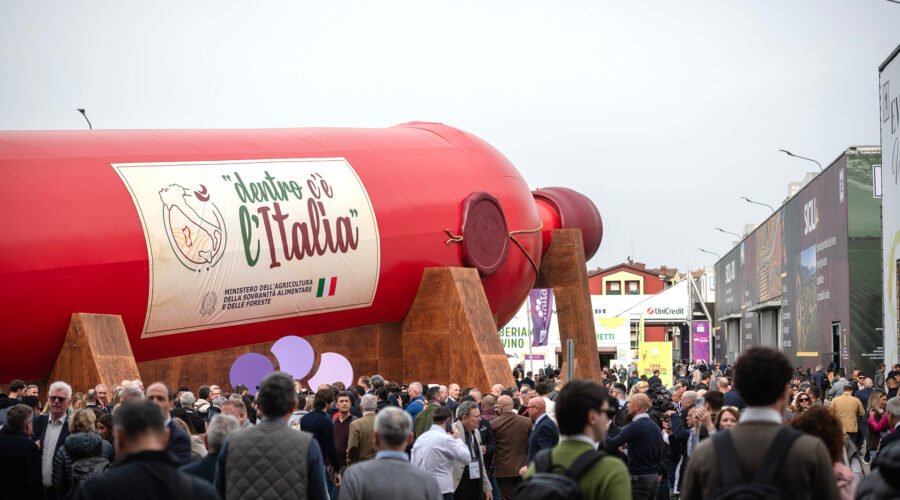
Behind the Scenes at Vinitaly 2026
Vinitaly turned 58 this year, and the fair still delivers. Over four days in Verona, roughly 90,000 attendees from more than 130 countries have thousands of conversations across dozens of pavilions. Whatever your feelings about big trade fairs, this one still matters.
2025 Vinitaly was all about tariffs. They are now part of the cost of doing business, and the industry has largely adjusted to working within that reality. A recent Supreme Court ruling declared that the 15% tariffs were illegal, prompting the Trump administration to readjust with a 10% levy on imports—including Italian wine—that will need to be renewed by Congress. Importers and producers have absorbed those fees or passed them along. Those with claims on earlier unlawful tariffs have a path to pursue refunds. Starting on April 20, importers, brokers, and other businesses who paid the Trump administration’s tariffs began filing for refunds with the U.S. Customs and Border Protection.
But nobody should expect price drops on wine lists anytime soon.
Remaining Positive Amid Global Strife
The deeper concern in Verona this year was about something less fixed. The conflict between the U.S. and Iran has producers on edge. The ripple effect of the war could see cost increases in glass, paper, tractor fuel, cooling systems for the cellar, and freight costs. When the energy market gets volatile, the whole cost structure moves, and planning becomes guesswork. The U.S. still accounts for nearly a quarter of Italy’s total wine export value, and volume is down, but the bond between American wine lovers and Italian wine producers is still very strong. Yet, putting all of one’s eggs in one basket is riskier than ever, so more producers are working hard at expanding their presence in other markets across the globe. But Italian wine people don’t wait for conditions to improve; they do the work.
The producers who were genuinely upbeat all had one thing in common. They’d been doing this the right way for a long time. Good farming, honest winemaking, real relationships built over years of showing up. When things get choppy, that holds.
“This was my best-ever Vinitaly,” says Angela Fronti, winemaker and owner of Istine in Chianti Classico. “Despite the challenges, we prepared, we were organized, our appointments went well. Buyers were buying.”
Cristiano Garella, partner and winemaker at La Pianella and Colombera & Garella in Alto Piemonte, says, “I think it was a good Vinitaly, even in this difficult period. We received a good number of professional buyers and sommeliers. The atmosphere was good and we were happy with this edition, my 26th.”
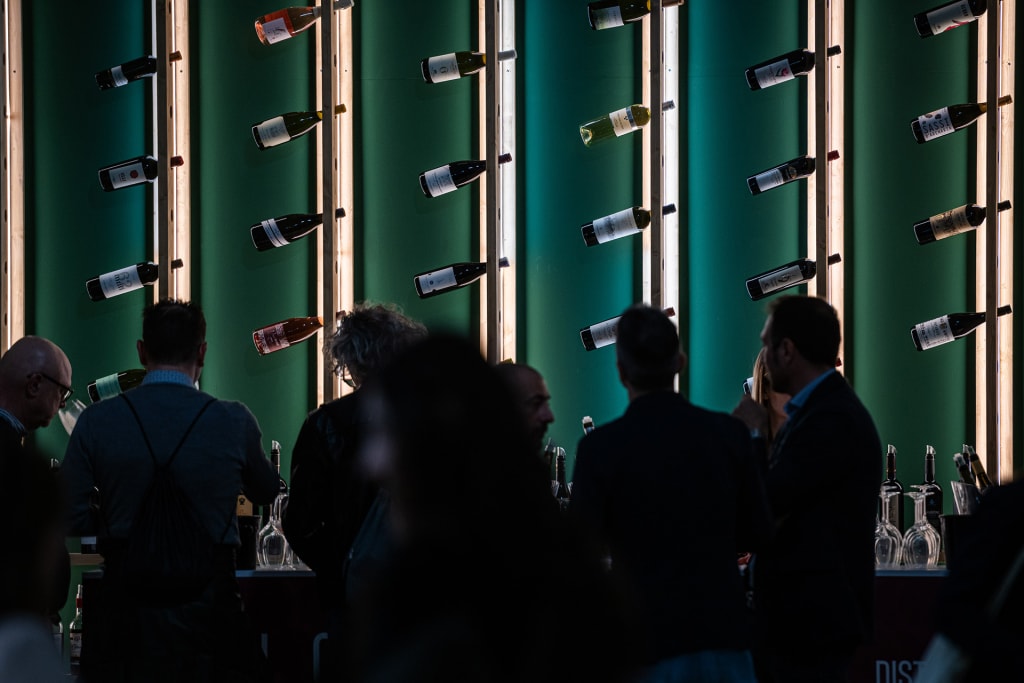
An Age of Reinvention
The harder conversation involves the other end of the spectrum. Wines made on the cheap, brands built on shortcuts, producers who rode one market without building real depth: these are the businesses getting hurt most right now. The market figures things out eventually. That reckoning feels closer than it did a few years ago.
“Italian wine is in a genuine moment of reinvention,” says Michael Laudenslager, Wine Enthusiast writer at large and wine director at Peasant in New York City, after his four days on the floor. “Age-worthy whites from places people don’t expect, reds that are fresher and have more verve without losing their identity, and a sparkling category that just keeps expanding. Producers are listening, and the wines are showing it.”
The age-worthy white conversation has moved well beyond Verdicchio, Fiano, and Soave. Coda di Volpe from the volcanic slopes of Vesuvius, Etna Bianco, Ribolla Gialla from Friuli, and Gavi made from Cortese are all making serious cases for the cellar. And Moscato d’Asti, still too often dismissed as a sweet sipper, is showing complexity and aging potential that most people aren’t expecting. Dismiss it at your own loss.

On the red side, Nero d’Avola may be the most dramatic example of a variety that has genuinely reinvented itself, moving from heavy and extracted to lean and precise. Nebbiolo and Sangiovese haven’t changed who they are, but greater attention in the cellar is making them more approachable without sacrificing what makes them great. Valpolicella, in its fresh and youthful style, is having a real moment. Sardinia, too, has rediscovered its voice, producing wines with energy and character that the international market is still largely sleeping on. That won’t last.
Italian sparkling wine isn’t cooling off either. Lambrusco has been climbing back toward respectability for years, and what serious producers are making today would be unrecognizable to anyone who formed their opinion two decades ago. Col Fondo Prosecco keeps picking up fans drawn to its texture and honesty.
Laudenslager also notes that there were many, “under the table wines” he got to taste. Producers quietly poured unreleased frizzante wines, not making announcements, just getting honest reactions. The wines were good. Fresh, lively, and easy to drink without overthinking it. Watch that space.
Changing Regulations
On the regulatory side, Oltrepò Pavese, the historical wine region in the southern portion of Pavia, launched Classese. The classification formally recognizes the traditional-method blanc de noirs that have been made in the area for more than 160 years. Asti DOCG added a rosé to its official roster. Moscato Bianco is blended with Brachetto, which they hope will attract new drinkers to the category. And Garda DOC introduced a low-alcohol level into the DOC, building 9% abv wines through early harvesting rather than through dealcoholization.
“After attending more than 15 editions of Vinitaly, I return from Verona with a clear impression: the fair has regained energy and relevance,” says Marta Sobrino of WellCom PR, a media relations company based in Alba Piemonte. “The fair was more international and increasingly business-oriented. Consortia are once again proving to be key hubs for territorial storytelling and strategic drivers in supporting wineries in international markets.” Her masterclasses on Romagna, covering Sangiovese subzones and regional whites including Rebola, Albana, and Famoso, both sold out.

Looking Forward
Sara Maule, advertising consultant for Wine Enthusiast, came back with something harder to fake than enthusiasm. “The will to push forward was everywhere you looked,” she says. “People are adapting and doing it with real conviction.”
Nobody left Verona thinking the hard part is over. But Italian wine has never needed ideal conditions to produce something worth drinking. The people who will thrive are the ones who do the work: farm well, make honest wine, show up for customers year after year, regardless of what the headlines say. That is the job.
As Wine Enthusiast Italian wine reviewer Danielle Callegari observed, “The most inaccurate stereotype about Italians, and one you’ll often hear me fighting back against, is that they’re not hard workers, what with their love of la dolce vita,” she says. “On the contrary, Italians know they have to work hard to play hard, and that was the feeling this Vinitaly.”
More Wine Industry Coverage

In the Shop
For Wine On-the-Go
This versatile messenger-style wine bag comes with removable bottle liners, a corkscrew and an aerator.
Published: April 22, 2026