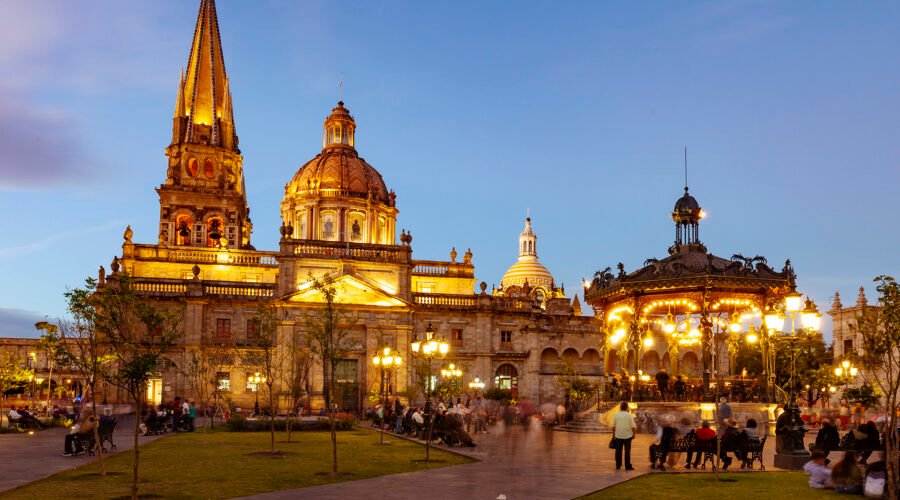
Where to Eat, Drink, and Stay in Guadalajara
Guadalajara has the world’s premier tequila regions at its doorstep: to the northwest, El Valle, anchored by the town that gives the region’s spirit its name; to the northeast, Los Altos, Jalisco’s red-soil highlands. But the city itself is worth a trip all its own—a rewarding visit for both agave tourists and travelers who want to explore one of Mexico’s cultural and culinary hotspots.
“Growing up there, I experienced how rich and vibrant our culture is,” says Johnny Curiel, chef and owner of Colorado’s Fonda Fina Hospitality. Curiel learned to cook at his family’s fonda (a Latin American inn or restaurant),La Casita De Las 2 B, and says Guadalajara’s “incredible gastronomy scene” remains the inspiration for his restaurants. The metropolitan area of more than five million inhabitants is increasingly becoming known as a dining destination, thanks in part to boundary-pushing spots like Alcalde, where chef Francisco “Paco” Ruano continues to earn global accolades more than a decade after opening.
In between meals, there’s plenty to see and do. “Guadalajara has it all—art, flavor, culture, nightlife,” says Alejandro Serratos, owner of restaurant Peligro al Fondo and founder of Taller Ciudad, an organization that supports arts and culture projects in the city. Guadalajara is a hub for traditional craft, contemporary art, and architecture—it’s the birthplace of prominent architect Luis Barragán, doubling as a home to some of his earliest work. Travelers could easily spend a day wandering between notable buildings and popping into the countless art galleries, concept stores, and multi-use creative spaces around every corner. The city is also one of the most queer-friendly in Mexico, with a thriving LGBTQ+ scene—including frequent drag shows at Peligro al Fondo. “There’s always a plan, an experience, or a hidden corner waiting to be discovered,” Serratos says.
To learn more about Guadalajara’s must-sees and must-dos, we asked Curiel, Serratos, and other locals for their recommendations of the best drinks, bites, sights, and accommodations around town.
Where to Drink
Even if a trek outside the city into agave country isn’t on your itinerary, appreciating some of the region’s iconic spirit is an absolute must. Ana María Romero, maestra tequilera at tequila producer Mijenta, recommends the tasting room at Mezonte, a nonprofit focused on preserving and promoting the area’s traditional spirits. “You will get to try some raicillas, tuxcas (mezcal produced in areas of Southern Jalisco), and tequilas that maybe you haven’t seen on a shelf,” Romero says.
With an iconic spirit culture typically comes a robust cocktail scene, and Guadalajara is no exception. The best bars in town are clustered in the Colonia Americana and adjacent Colonia Lafayette neighborhoods. Romero says you can’t miss El Gallo Altanero, a regular presence on the World’s 50 Best Bars list. She also recommends grabbing a bar seat at Mecenas, from star chef Jose Luis Hinostroza and Gallo Altanero-alum Arturo Santos: “They make their own liquors and have no brands on the back bar.”
Other bars of note in the area include De la O, a tiki-minded cantina with an emphasis on pulque and tepache; Hibol, a hi-fi speakeasy with food from Alcalde’s chef Ruano; and Farmacia Rita Pérez, a divey spot with an impressive collection of agave spirits. Need an agave break? Bar Mulús is a cozy spot for wine and snacks.

Where to Eat
For outstanding modern Mexican cuisine, Romero recommends Bruna and Octo, neighboring sister spots from chef Oscar Garza. Both restaurants have won multiple design awards, Romero says, and Octo is housed in the same building as arts space Galería Adentro. At Bruna, the tasting platter of 10 different moles is a must (served with housemade tortillas, of course), while Octo’s seafood is the focus—chef Garza himself recommends the crab claws in aguachile and the salt-baked fish.
Also great for seafood, says Curiel, is La Docena: a beloved oyster bar from chef Tomás Bermúdez. “They have some of the best seafood in town… flown in pretty much daily,” plus an impressive wine program with Mexican bottles well represented.
For something super classic, Curiel recommends Campestre Don Chava, which opened in 1992, just a few steps from where he grew up. “It has always been a place that my family and I gather,” he says, explaining that “it’s a campestre restaurant”—rustic, lively, and family friendly—“so there’s always live entertainment.”
Chef Garza nominates a few other Guadalajaran landmarks, including La Tequila, a 30-year-old fixture that he calls a “local icon.” (Pro-tip: order the barbacoa.) He also loves Cenaduría La Morenita, in the central Santuario neighborhood, for a Guadalajaran specialty: “Since 1980, they have been famous for their ‘Santuario-style’ tortas, filled with pork leg, loin, tongue, or salchichón.”

For a taste of the city’s growing café scene, visual artist Claudio Limón recommends Café Rozita, which he calls one of his favorite spots in Guadalajara: “They serve the best flat white and a Basque cheesecake that they bake in-house.” In 2025, Limón collaborated with the team to open a sister location, Limón Rozita, inside the Art Deco house where he keeps his studio.
Limón also loves Nejayote Molino, a bakery-café that’s extremely popular for breakfast and lunch. “Chefs Óscar Segundo and Xrysw Díaz are true geniuses,” Limón says; go-tos include the goat’s milk flat white and the squash-blossom concha. On Friday and Saturday nights, Nejayote transforms into Rraro, serving up wine, cocktails, and tacos.
For more casual bites, Curiel recommends finding any camotero—street carts selling roasted sweet potatoes—or grabbing a torta ahogada, the saucy sandwich that’s perhaps the city’s most iconic dish (and “the best hangover cure”). His favorite comes from Tortas Ahogadas El Profe Jimenez, a popular sidewalk spot: “If you’re not stopping here in Guadalajara, you’re doing it wrong.”
Like many cities in Mexico, some of Guadalajara’s best eating can be found in its markets. Curiel likes the food level at Mercado San Juan de Dios, which has more than 100 vendors: “It’s considered one of the OG food halls and is a cultural hub for the people of Guadalajara,” he says. Alternatively, venture further out from the city center to the Mercado del Mar Zapopan seafood market, where you can find many stalls with their own restaurants. At Mercado IV Centenario, Garza recommends a visit to Yunaites Menjurjes Pueblerinos, a popular market counter open for breakfast and lunch—order the enjococadas, a style of enchilada smothered in a tart cream sauce.
Where to Explore
If you only visit one museum in town, Romero says, make it Museo Cabañas: an arts and culture institute within the 19th-century Hospicio Cabañas complex, a UNESCO World Heritage Site. Must-sees include José Clemente Orozco’s El Hombre en Llamas, a series of murals in the domed chapel.
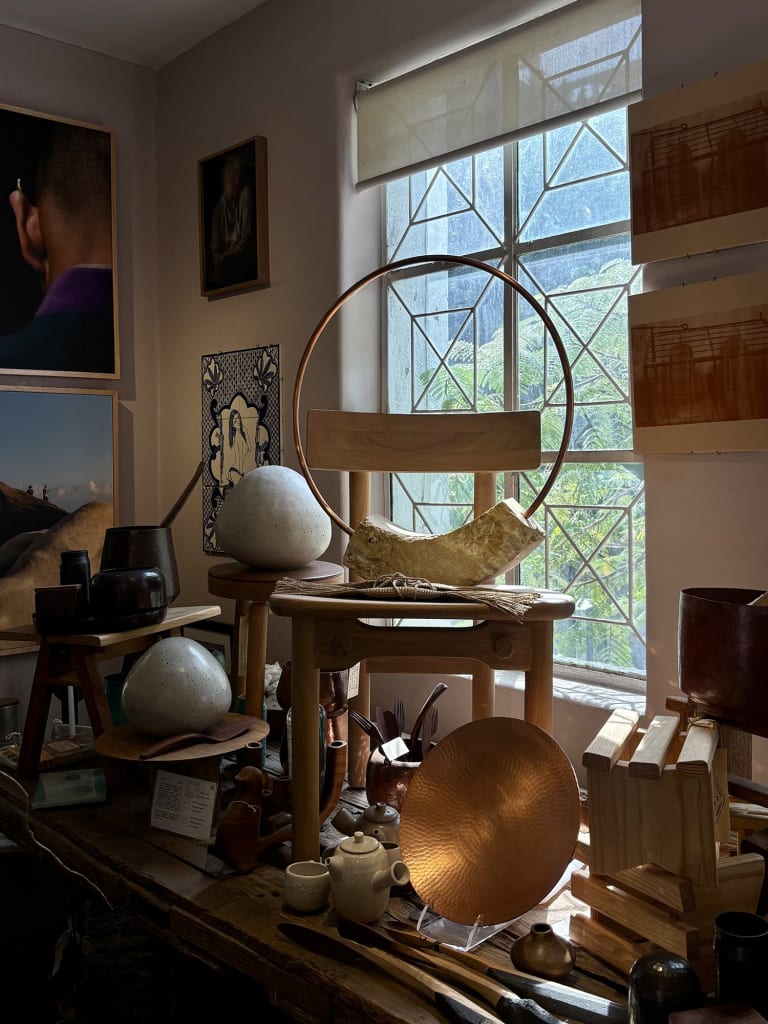
Romero also recommends a visit to 1168 Store-Gallery (by appointment), “a space dedicated to sustainability, art, and independent Mexican design,” while Serratos adds that gallery Plataforma is a must-visit “to connect with Guadalajara’s contemporary cultural scene.” Plataforma focuses on showcasing local talent, and was founded in 2024 by art collectors Nidia Elorriaga and José Noé Suro (of the city’s famous Cerámica Suro ceramics studio).
For shopping, Limón recommends Albergue Transitorio, a concept store curated by designer sisters Julia and Renata Franco. “All the pieces come from Mexican designers and artists,” Limón says. “You’ll find crafts, art pieces, jewelry, and outstanding clothing by Julia y Renata.” Other souvenir stops include Impronta Casa Editora, a bookstore and cafe from a small local publishing house; the artist-run boutique Nimia, for prints and fun stationery; and Once Patios, stocked with Indigenous craft and folk art.

Where to Stay
If you’re looking for the city’s most charming accommodations, keep an eye out for its tiny guesthouses and rentals inside repurposed homes and historic buildings. Romero suggests Casa Mucha, which has a handful of rooms and a space that houses pop-ups by local brands and stores. The rental properties from Barrio México are great options as well, Serratos says, citing Casa Kali, Casa Morelos, and Casa San Fernando as standouts. There’s also Casa Peni, which shares a building with the aforementioned Café Rozita and is run by the same team.
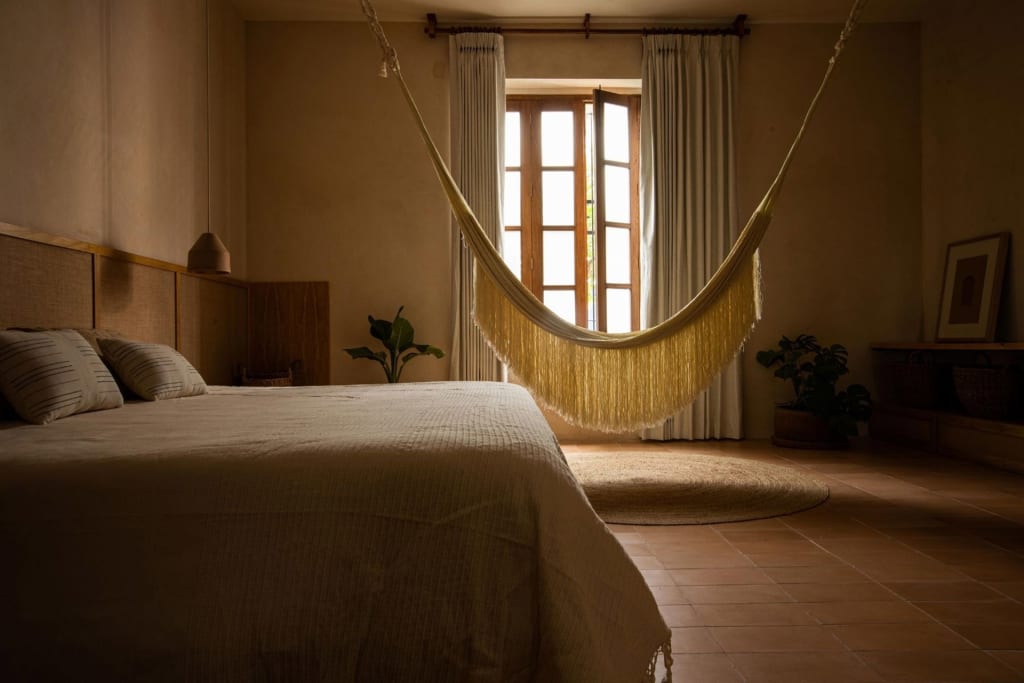
For something (slightly) larger with more amenities, look to one of Guadalajara’s many design-forward boutique properties, like Origen 438, in the Zona Centro, and Casa Habita, from hotel group Grupo Habita. Down the block, the Bellwort Hotel occupies the striking Edificio Rosales, a 1967 building by Guadalajaran modernist architect Julio De la Peña Lomelín. In the same area, Hotel Demetria is bookended by Casa Franco, one of Luis Barragán’s earliest buildings, and the Art Deco Casa Quiñones by his contemporary Pedro Castellanos. A collection of apartment-style suites, the Demetria Bungalows, is set in another Castellanos complex a few blocks away.
Those who prefer the dependable luxury of a big brand can’t do much better than the JW Marriott Hotel Guadalajara, a sleek tower with 191 rooms (and a rooftop pool) in the quiet Country Club neighborhood, outside the city center.
More Travel Coverage

In the Shop
For Wine On-the-Go
This versatile messenger-style wine bag comes with removable bottle liners, a corkscrew, and an aerator.
Published: March 23, 2026