Why Is Merlot Washington’s Least Known Great Wine?
For any Washington wine marketing associations there wasn’t much to feel good about in virtually all of the year-end best wine lists. Just a single Washington wine on Wine Enthusiast’s late-breaking ‘Top 100 Wines of the Year’, despite the fact that it’s the only major publication with a dedicated Northwest wine reviewer living in the Pacific Northwest. And 2026 is already off to a disappointing start.
In his first column of the new year, Eric Asimov – arguably the most influential wine columnist in the country given his position at the New York Times – wrote about 10 types of wines that tend to be overlooked and that he believes deserve better. The list included such broad categories as Bordeaux, California Chardonnay and Napa Cabernet, along with a passel of dessert and fortified wines – Sherry, Sauternes, Barsac, Port, Madeira – and even nichier sub-sets such as Spätlese Riesling, Savennières and Ribera del Duero. And then there was Merlot, tagging along like the middle child.
Each of the ten options was profiled in a short paragraph, followed by a list of recommended bottles. And not necessarily inexpensive bottles – these lists were clearly aiming for high quality wines. Writing about Merlot Asimov inevitably referenced the damage done by the film ‘Sideways’, recommended the greatness of a couple of Right Bank Bordeaux and yet again found a couple from California he liked (California wines got showcased in three of the ten categories). No mention of anything from the Pacific Northwest anywhere in the column, but for me the most egregious oversight was completely ignoring Washington Merlot. There was not even the flimsiest passing reference to what may be this state’s best claim to fame.
I don’t mean to pick on Asimov. He’s a good writer, a fair and consumer-friendly critic, and he admits that he has no formal training in wine. His tastings are somewhat limited; as he explains in his online bio he operates under strict New York Times rules: “I do not represent the wine industry, nor do I accept gifts, money or favors from those whom I might write about. I do not go on press junkets. The Times pays my work-related expenses, including meals, travel and lodging.”
But limitations aside, surely there must be a bottle or two of Washington Merlot within reach at the neighborhood bodega. How is it possible for a wine writer of his stature to completely ignore Washington Merlot in an article singing the praises of Merlot?
It points to a larger problem, which is the disheartening lack of recognition for all Washington wines. As I noted in my recent overview of the important ‘Best of the Year’ lists, Washington wines were few and far between. There’s no lack of quality, and yet these wines seem to have become all but invisible. In recent decades there have been just a handful of quality brands representing and advocating for Washington wines to the world at large – in particular L’Ecole, Charles Smith and the vast Ste. Michelle Wine Estates portfolio. L’Ecole and Smith’s portfolios offer excellent wines at lower prices. But what supermarket wine shoppers living outside the Northwest see from Washington on the shelves is not a fair representation of wines that can compete with the best of California.
Now that SMWE has passed into local ownership there’s an opportunity for positive change. It all comes back to distribution. Full national representation with the biggest distribution network sounds good… but it means that your distributor has a lot of mouths to feed. They want quantity; more wines in the pipeline means more dollars in their pockets. SMWE provided quantity with their lineup of inexpensive brands. But their more limited, high end offerings may have been left in the shadows.
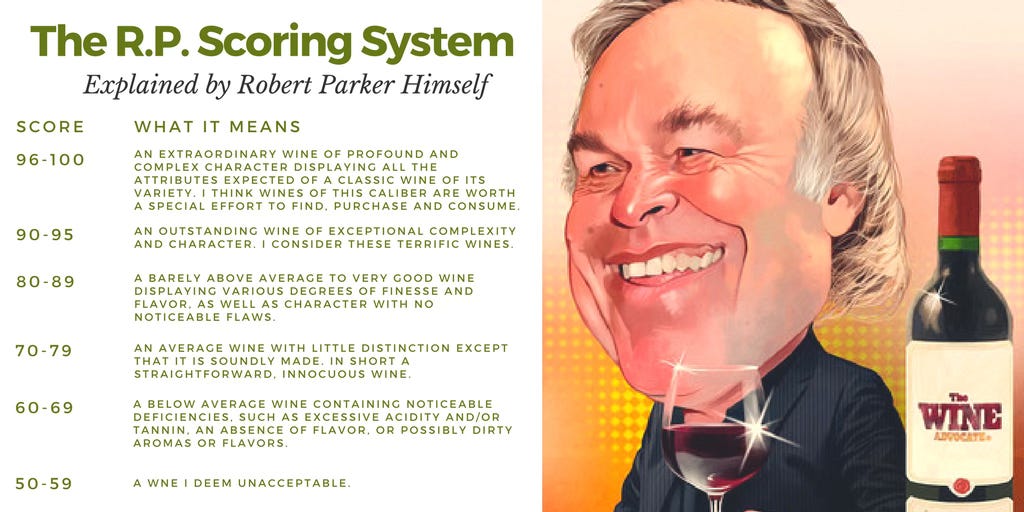
When Robert Parker was himself reviewing Washington wines for his newsletter, he tasted and often recommended the very finest wines from this state, which surely had a positive impact on the image and reputation of all Washington wines. But the ill-informed replacement reviewers operating under his signature have neither his knowledge nor his influence, and no one else has been able to claim his place. So that may be another reason that Washington wines have slid into irrelevance in much of the country.
Top quality wines are still here in abundance as they have been all along. What’s missing is a clear, focused and coordinated marketing effort. Why not start with Merlot? Yes just about anything can be grown here, and there are good to great examples of multiple varieties. But you can’t argue that when most consumers want top tier Cabernet they think first of California. When looking for Pinot Noir they go directly to Oregon. What do they think of for great Merlot? Apparently, France! Oh, and California. Why shouldn’t Merlot find its place as a signature variety for Washington?
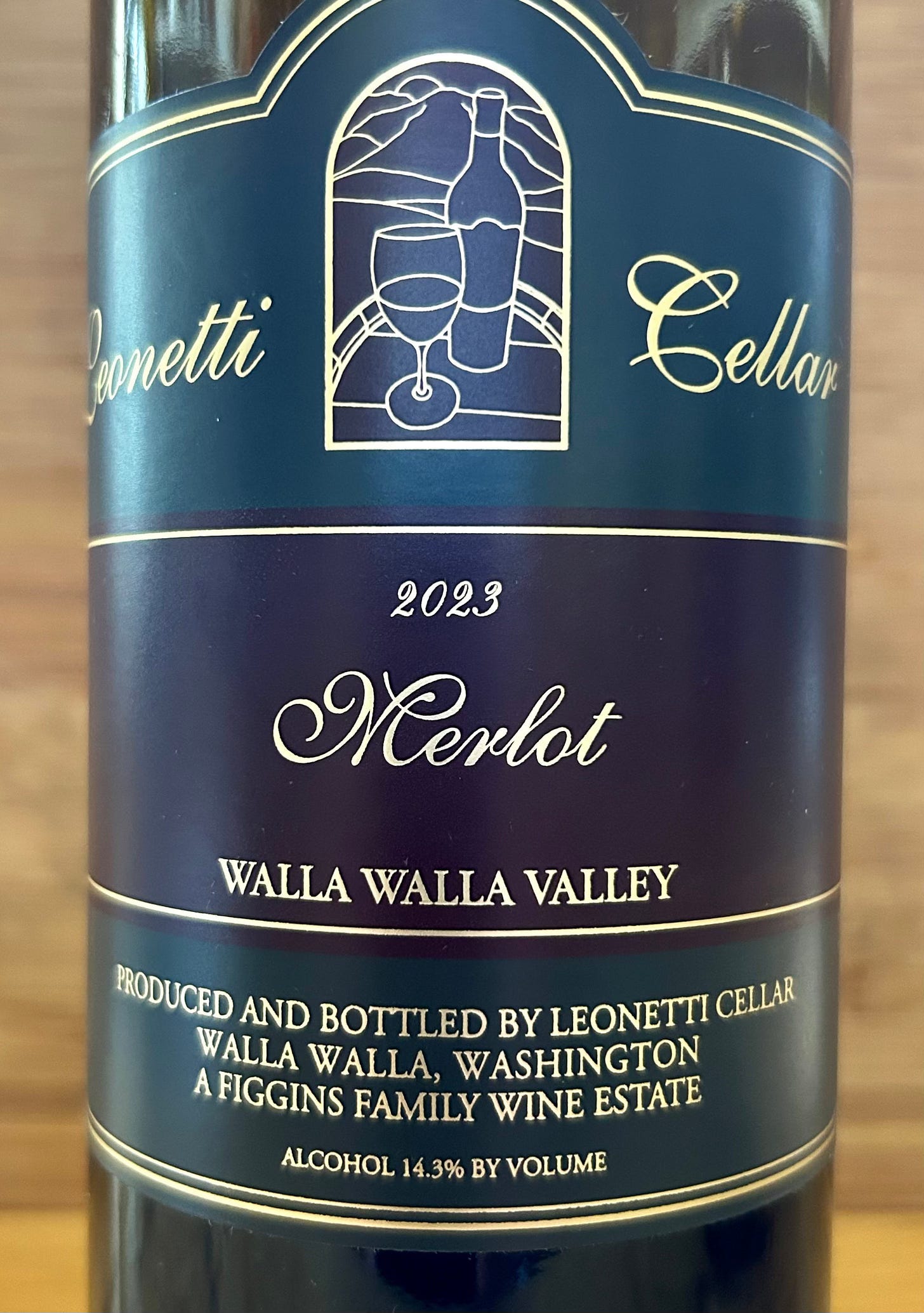
I looked back over the past year’s reviews (all searchable here on Substack) to get a better sense of how Washington Merlots showed. I do not do massive tastings or compile quick notes and scores on thousands of wines – my reviews are selective and focused. Nonetheless, I found quite a few impressive bottles that could stand up to California’s finest. Along with dozens of blends in which Merlot played a significant part, here are the pure or close to 100% varietal Merlots that I scored from 92 to 98 in these tastings: Abeja Merlot, Covale Quintessence Vineyard Merlot, Echolands Seven Hills Merlot, Efesté Upright Merlot, Januik Merlot, L’Ecole Merlots, Leonetti Merlot, Long Shadows Pedestal Merlot, Matthews Merlots, Pepper Bridge Merlot, Rocky Pond Double D Merlot, Tenor Merlot, Two Mountain Merlot and Upchurch Counterpart Red (100% Merlot). An outstanding lineup that I’d put up against the best of California.
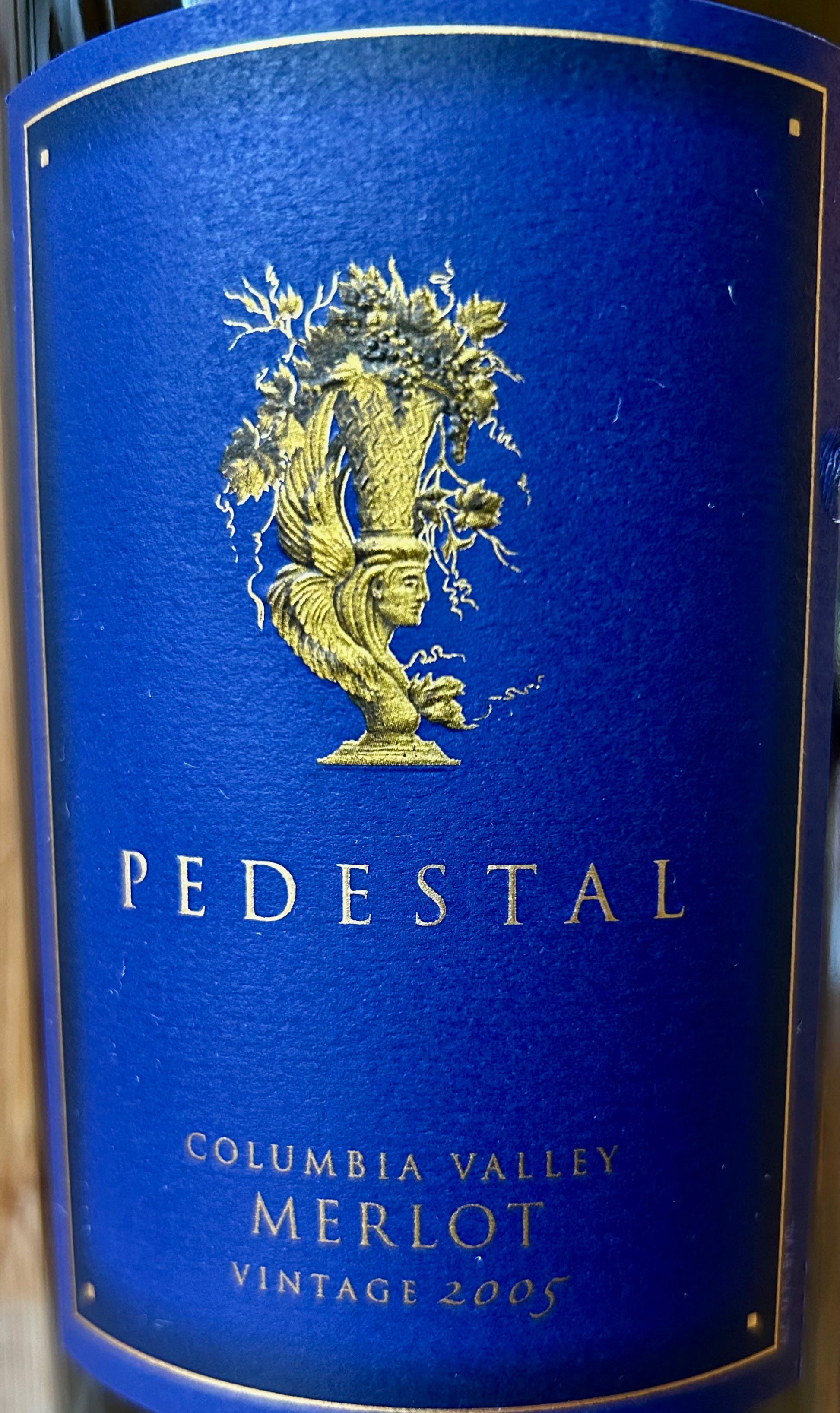
I made a serendipitous discovery while pawing through a bottom shelf in my wine cellar searching for an older wine to share while celebrating the Seahawks victory. I stumbled across a 2005 Pedestal Merlot, just the third vintage of this Long Shadows standout. It received good, not great reviews (90 from the Spectator, 91 from me in Wine Enthusiast) upon release. Recall that this was 18 years ago and score inflation hadn’t yet struck. Here is my original review.
Pedestal 2005 Merlot – Consistent with previous releases, this Michel Rolland effort is a soft, silky, smoky wine that introduces itself with round cherry fruit and then charges ahead with layers of licorice, citrus, coffee and rock that enliven the finish. There is plenty of tart raspberry fruit to open, and balancing acids to give the wine a tight core. It’s a polished and appealing mix of forward, approachable fruit married to more elegant, ageworthy tannins and acids. $55; 14.7%; $55 (Columbia Valley) 91/100
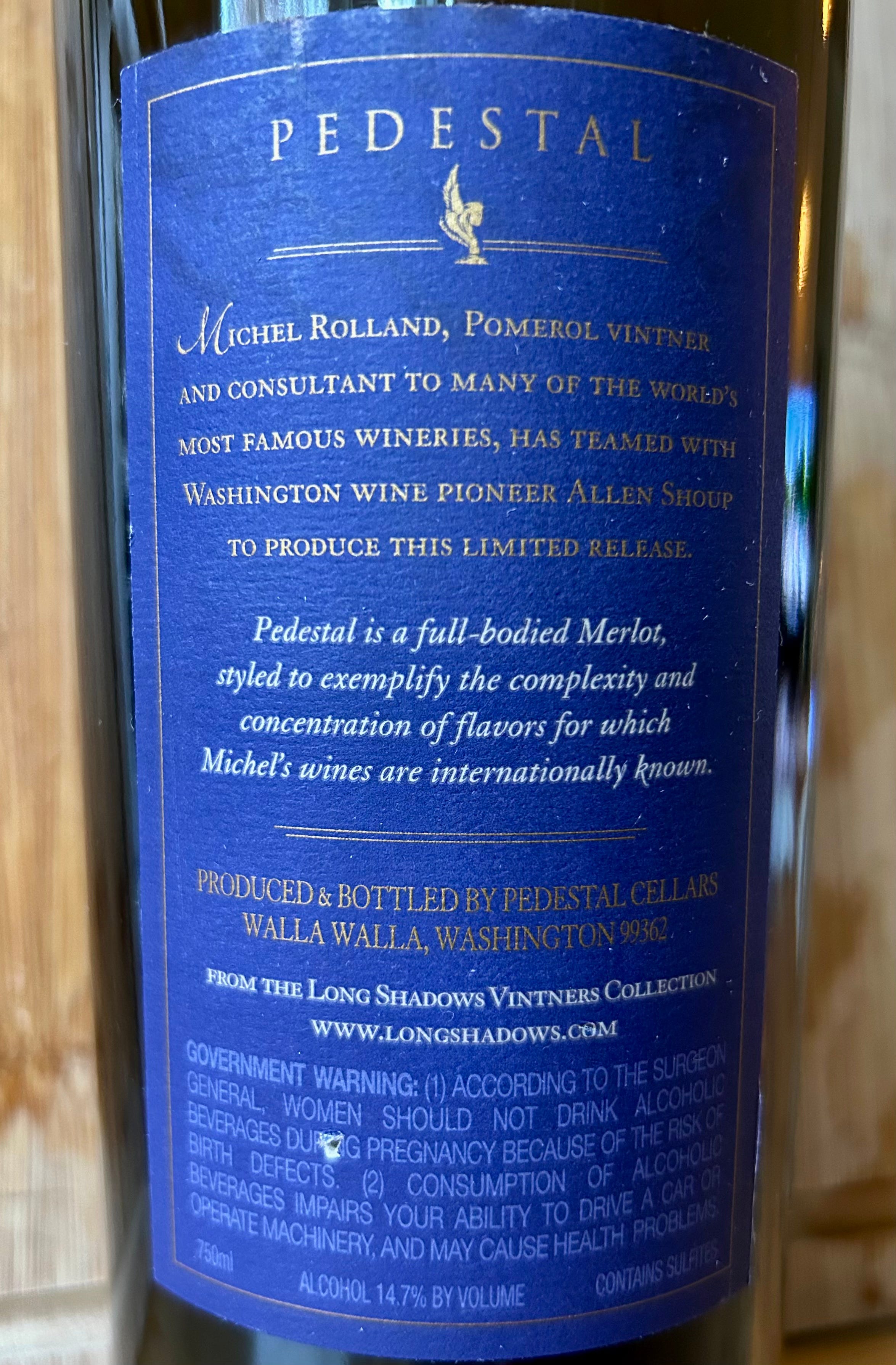
The late Allen Shoup was a big believer in Washington Merlot, founding Northstar specifically as a Merlot showcase, and then putting superstar traveling winemaker Michel Rolland in charge of the first vintages of Pedestal at Long Shadows. Nonetheless when I found this bottle my expectations were modest. I remembered Rolland’s wines as rich, forward, fruity and chocolatey – good but not necessarily built for long term aging. This wine blew those preconceptions away. It was strikingly fresh, youthful, supple and smooth. Deep and rich as only the best Merlots can be at 20 years old. Nowhere near over the hill; rather it seemed to be jauntily hanging out in a place of maximum enjoyability.
Two Mountain is a family-owned estate, led by brothers Matt Rawn (Winemaker) and Patrick Rawn (Vineyard Manager). I met them on a recent visit to the Rattlesnake Hills, where they are leading the way with regenerative agriculture and the rehabilitation of some of the region’s oldest vineyards. Their Two Mountain wines are 100% estate-grown and certified sustainable through the RULES for Sustainable Winegrowing program.
Two Mountain 2024 Chardonnay – A well-made, high value wine from Two Mountain, this mixes crisp and steely tree fruits with a pleasing wash of buttery caramel. It’s got a firm, compact core of ripe fruits buoyed by natural acidity. Just a delicious Chardonnay at a Tuesday evening wine price. 374 cases; 13.7%; $25 (Yakima Valley) 93/100
Two Mountain NV Hidden Horse Red Blend No. 22 – Principally Cabernet and Merlot, this apparently mixes at least two different vintages. Nonetheless it’s fresh and firm, with primary fruit flavors of blackberry, black cherry and currant. The tannins are ripe and polished, adding touches of graphite and cold coffee to the finish. This value blend drinks way above its paygrade. The screwcap seal ensures a clean, uncorked wine. 4200 cases; 13.9%; $22 (Yakima Valley) 92/100
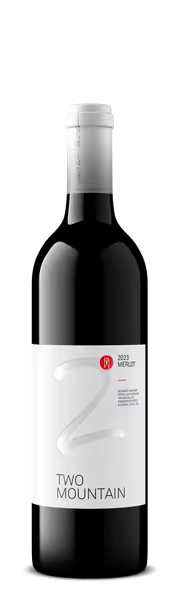
Two Mountain 2023 Merlot – This is principally Merlot with 10% Cabernet Sauvignon and 9% Malbec. This is classy juice, with power and precision to spare. The aromas draw you in with a complex weave of black fruits, barrel toast, espresso and baking chocolate. Tannins are potent and polished, perfectly matching the weight of the fruit. At twice the cost this would still qualify as a value. 1400 cases; 13.9%; $26 (Yakima Valley) 94/100
Two Mountain 2023 Cabernet Sauvignon – Small amounts of Malbec and Merlot amplify the breadth of flavor, but the Cabernet dominates with firm, classic flavors of currant, black cherry and savory herbs. Two Mountain is making sophisticated, top tier Yakima Valley wines at stunningly low prices. If any single winery is poised to do a major re-set on Yakima Valley value reds, it’s Two Mountain. 2200 cases; 14.1%; $30 (Yakima Valley) 94/100
Two Mountain 2023 Cabernet Franc Reserve – Cab Franc is turning out to be a signature wine for some of the top wineries in the Yakima Valley. Sourced from the Copeland and Portteus vineyards, with Malbec and Cabernet Sauvignon in small percentages, this beautifully proportioned wine puts all the right emphasis on the right attributes. Dark fruits, espresso, graphite and a whiff of smoke form a complete palate with power and grace. You can’t ask for more in a $35 wine. Kudos to brothers Matt and Patrick Rawn who knock these wines out of the park. 648 cases; 14%; $35 (Yakima Valley) 95/100
Two Mountain 2020 Brothers Reserve Cabernet Franc – This over the top 100% varietal expression spent three full years in all new French oak. Sourced from the estate’s Copeland vineyard, it’s like a WWC matchup pitting raw muscle against big wood. I appreciate the concept, and for many wine lovers who prefer old school power, this is surefire. Dark fruits, charred wood, smoke and espresso flavors are in play, and big as it is the wine retains its balance and even a sense of finesse as it trails out. 33 cases; 14.5%; $72 (Yakima Valley) 93/100
Note to Wineries: Please keep me on your schedule for ongoing submissions of new releases. Send wines as soon as they are released. Always include as much technical detail as you have; at a minimum I want release dates, retail prices and case quantities for every wine. A broad representation of wines from your portfolio, including wine club only selections, is optimal for a full analysis. All wines will be tasted under controlled conditions over many hours and days. Only positive recommendations will be posted. Send wines to:
Paul Gregutt’s Wine Guide
230 West Street
Waitsburg, WA 99361
For details please email paulgwine@me.com. And thank you for supporting this Substack!