Would You Like a Bottle of Dom with That Cashmere Sweater?
What do a $50 washable cashmere sweater, a tin of Royal Osetra caviar, a pack of infant onesies, and a bottle of Dom Pérignon have in common? They’re all available for purchase at Quince, the e-tailer best known for “high-quality essentials at a price within reach.”
It’s far from the first brand to tout sustainable and accessible luxury in homewares and fashion; companies like Italic and Everlane have done so for years. But this November, Quince branched out from those tried-and-true categories and began peddling olive oil, white Alba truffles, and most recently, wine, through a partnership with DRINKS. The AI-powered platform lets any e-commerce brand or marketplace sell booze alongside their existing products, without the need for licenses or inventory.
While affiliate revenue has historically eluded the beverage world largely due to the complexity of state-by-state regulations, wine sales via DRINKS will be eligible for commission in Quince’s affiliate network. This means that influencers, editorial sites, and anyone else who shares links with affiliate tracking enabled (via platforms like Skimlinks, Rakuten, or similar) will be able to earn a percentage fee from their total sales, including alcohol purchases.
DRINKS aims to bring a complex, highly regulated category into a more seamless e-commerce experience, “making it possible to offer wine compliantly and at scale through a network of licensed retail entities who manage the regulated parts of the transaction,” says a spokesperson. Quince’s wine offerings will continue to expand before the end of the year, including a mix of iconic brands, such as Dom Pérignon and Raymond, as well as smaller producers like Kelham Wine.
Zac Brandenberg, CEO and co-founder of DRINKS, views the ability to “make any business an alcohol business” a win-win for consumers and producers alike. The process is as follows: wineries join the network (called DRINKS Access) with their existing licenses and sales footprint. They set pricing and approve which merchants—for example, a site like Quince—may feature their wines, and DRINKS manages tax, compliance, and order routing. Afterwards, their wines appear wherever consumers prefer to shop online.
As Brandenberg sees it, consumers “ultimately just want to buy wine where they already shop.” The platform already has partnerships with brands like UrbanStems, where shoppers can add a bottle of Avaline rosé to their flower purchase, as well as CookUnity, where they can choose a wine to pair with their food delivery.
// Create the element
var script_69567fb18b2ea = document.createElement(“script”);
script_69567fb18b2ea.innerHTML = `
window.googletag = window.googletag || {cmd: []};
googletag.cmd.push(function() {
var adType = “leaderboard”;
var mapping;
var lbmapping = googletag.sizeMapping()
.addSize([1024, 0], [[970, 250], [970, 90], [1, 1], [728, 90]])
.addSize([728, 0], [[728, 90], [1, 1]])
.addSize([320, 0], [[1, 1], [300, 50], [300, 100], [320, 50], [320, 100]])
.addSize([0, 0], [[1, 1], [320, 50]])
.build();; // Size mapping for leaderboard ads
var medrecmapping = googletag.sizeMapping()
.addSize([1024, 0], [[300, 600],[300, 250]])
.addSize([728, 0], [300, 250])
.addSize([320, 0], [[1, 1],[300, 250]])
.addSize([0, 0], [[1, 1], [300, 250]])
.build(); // Size mapping for med rectengle ads
if(‘/39808611/article_page/article_leaderboard_1’ == ‘/39808611/article_page/article_leaderboard_1’
|| ‘/39808611/article_page/article_leaderboard_1’ == ‘/39808611/article_page/article_leaderboard_2’
|| ‘/39808611/article_page/article_leaderboard_1’ == ‘/39808611/article_page/article_leaderboard_3’) {
mapping = googletag.sizeMapping()
.addSize([1920, 0], [[728, 90]]) // >= 1920px
.addSize([1440, 0], [[728, 90]]) // 1440px-1919px
.addSize([730, 0], [[300, 250]]) // 730px-1439px
.addSize([0, 0], [[320, 100], [320, 50], [300, 100], [300, 50], [300, 250]]) // Up to 729px
.build();
} else {
mapping = adType == ‘leaderboard’ ? lbmapping : medrecmapping;
}
googletag.defineSlot(‘/39808611/article_page/article_leaderboard_1’, [],
‘div-gpt-ad-69567fb18b2ea’).addService(googletag.pubads()).defineSizeMapping(mapping);
googletag.pubads().enableSingleRequest();
googletag.pubads().collapseEmptyDivs();
googletag.display(‘div-gpt-ad-69567fb18b2ea’);
});
`;
// Append the script to the body
document.body.appendChild(script_69567fb18b2ea);
In partnering with Quince, Brandenburg aims to give wineries “increased touchpoints” with existing consumers, while also introducing them to new drinkers.
“The fact that wine producers have to go to restaurants and bars to sell is a challenging route to market, and there’s only so much shelf space at, say, Park Avenue liquor,” he says. “Wineries are seeking to meet consumers where they are. That’s where direct-to-consumer comes into play…because how do I as a consumer discover new wine? Am I going to go to Google and ChatGPT and sift through options? No, I’m going to discover wine at my local retailer.”
He continues, “The Quinces of the world present an opportunity for wineries to have their products surfaced in new locations to customers.”
Finding New Wine Customers—One Sweater at a Time?
Some winemakers are optimistic about the partnership. At a time when wine sales are still slumping, producers are eager to court new audiences wherever they can.
“I think this is a positive strategic retail channel to reach 30- to 45-year-old consumers who have luxury tastes with a premium budget,” says Kathryn Hermann, proprietor and general director at Carlton, Oregon-based 00 Wines.
Hermann has been a Quince fashion customer since the launch of the company. “I’ve watched Quince move from fashion and accessories into lifestyle products, and this is where the wine industry has an important opportunity to expand,” she says.
Hermann explains that the psychographics of Quince consumers are aligned with the number one problem in wine sales today around the world: how to market and reach the next generation of wine drinkers, the 30- to 45-year-old consumers. The importance of this mission cannot be overstated, as millennials have officially surpassed Baby Boomers as the largest cohort of wine drinkers in America.
“Wineries are notoriously bad at data-based marketing because our main competency is agriculture, working in the cellar, and in-person hospitality,” she says. “There is an oversupply of premium wine in warehouses around the world right now, that’s a fact. Why not leverage the marketing machine that Quince has built to introduce premium wines to a customer who is already primed to buy in this lifestyle category?”
// Create the element
var script_69567fb18b864 = document.createElement(“script”);
script_69567fb18b864.innerHTML = `
window.googletag = window.googletag || {cmd: []};
googletag.cmd.push(function() {
var adType = “leaderboard”;
var mapping;
var lbmapping = googletag.sizeMapping()
.addSize([1024, 0], [[970, 250], [970, 90], [1, 1], [728, 90]])
.addSize([728, 0], [[728, 90], [1, 1]])
.addSize([320, 0], [[1, 1], [300, 50], [300, 100], [320, 50], [320, 100]])
.addSize([0, 0], [[1, 1], [320, 50]])
.build();; // Size mapping for leaderboard ads
var medrecmapping = googletag.sizeMapping()
.addSize([1024, 0], [[300, 600],[300, 250]])
.addSize([728, 0], [300, 250])
.addSize([320, 0], [[1, 1],[300, 250]])
.addSize([0, 0], [[1, 1], [300, 250]])
.build(); // Size mapping for med rectengle ads
if(‘/39808611/article_page/article_leaderboard_2’ == ‘/39808611/article_page/article_leaderboard_1’
|| ‘/39808611/article_page/article_leaderboard_2’ == ‘/39808611/article_page/article_leaderboard_2’
|| ‘/39808611/article_page/article_leaderboard_2’ == ‘/39808611/article_page/article_leaderboard_3’) {
mapping = googletag.sizeMapping()
.addSize([1920, 0], [[728, 90]]) // >= 1920px
.addSize([1440, 0], [[728, 90]]) // 1440px-1919px
.addSize([730, 0], [[300, 250]]) // 730px-1439px
.addSize([0, 0], [[320, 100], [320, 50], [300, 100], [300, 50], [300, 250]]) // Up to 729px
.build();
} else {
mapping = adType == ‘leaderboard’ ? lbmapping : medrecmapping;
}
googletag.defineSlot(‘/39808611/article_page/article_leaderboard_2’, [],
‘div-gpt-ad-69567fb18b864’).addService(googletag.pubads()).defineSizeMapping(mapping);
googletag.pubads().enableSingleRequest();
googletag.pubads().collapseEmptyDivs();
googletag.display(‘div-gpt-ad-69567fb18b864’);
});
`;
// Append the script to the body
document.body.appendChild(script_69567fb18b864);
Maggie Harrison, founder and winemaker at Antica Terra in Amity, Oregon, also sees potential upside, albeit more cautiously so.
“The more thoughtful retailers there are that tell the full story, curate selections of thoughtfully made wines that showcase craft and love, nurture ongoing relationships with wineries, amplify the work of those who are doing the most thoughtful work—the better it is for all of us,” she says. “If Quince can parlay the trust their clients have in their devotion to quality wine at fair prices with real storytelling, I would say it’s a win. But it’s impossible to know until we see how they operate.”
While Quince might be an obvious alternative to more generic shops like Total Wine or grocery store wine aisles, it poses a challenge to independently-owned wine and liquor retailers.
“I wouldn’t be surprised if they are trying to and succeeding at capitalizing on a generation who spent formative years locked inside and is more comfortable interacting with a website than a person,” says Alexandra Russo Weaver, general manager at Vino Fine Wine & Spirits in New York City. “I think a brick-and-mortar place like Vino becomes a solace for people tired of wading through incessant advertisements. Because we are real and we’re tangible and you can engage with us. Can you attend a tasting at Quince.com? Can you talk face to face with producers from your couch?”
But Hermann says this shift, though “indicative of a larger trend around wine retail,” doesn’t need to signal doomsday for neighborhood bottle shops.
“30- to 45-year-old consumers don’t purchase in many categories the same way that the older generation purchases products,” she says. “They are more likely to make purchases directly from brands that they trust with their phones than drive to a retailer to shop in person.”
While she doesn’t think neighborhood wine shops will vanish, there are still significant headaches to selling in brick-and-mortar stores. “We have to find a distributor in each state to purchase the wine, train their sales teams, and rely on their sales teams to sell to the right wine shops who are able to tell the story about the winery to their clients,” she says. “This is still a great model and I cherish my distribution and retail sales partners, but wineries need additional sales channels to reach 30- to 45-year-old consumers where they are: shopping with lifestyle e-commerce brands.”
More Industry Coverage
- Amid U.S. tariffs and the ensuing trade war, Canada’s wine and whisky producers are thriving.
- Direct-to-consumer sales were supposed to save the industry. What happened?
- The Michelin man is coming for wine. Should critics be worried?
- Gen Z and millennials are here to save the wine industry … if it’s willing to listen.
- A new study has revealed why “wine-hesitant” consumers choose cocktails or beer instead.
In the Shop
For Wine On-the-Go
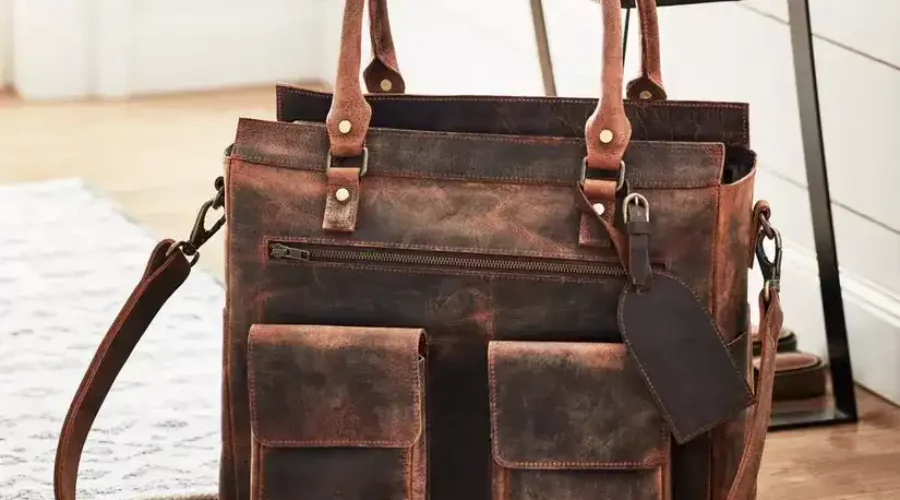
This versatile messenger-style wine bag comes with removable bottle liners, a corkscrew and an aerator.
The post Would You Like a Bottle of Dom with That Cashmere Sweater? appeared first on Wine Enthusiast.