
Want A Regular Dose Of Wine Industry News?
Like most writers I am a bit obsessive. We all pick our particular poisons, but in order to write persuasively one must be willing and able to do some deep dives. Writing on wine for Substack has become obsessive for me (and I suspect for other Substack writers) for several reasons. One reason is the deadline – in my case, one column a week, every week, without fail. That may not seem like much, and I could take the same amount of material and divvy it up into smaller, more frequent bits. But then subscribers’ mailboxes would be flooded, and a big part of why I do just one a week is to keep the flow limited and predictable.
Substack guidelines are minimal, and so I’m managed by agreements I’ve made with myself. In order to generate a weekly post I spend many hours daily doing research, reading other writers, scanning dozens of wine-related articles and keeping up on the latest business news. Oh, and tasting wine – that’s the fun part.
I’m not suggesting that anyone not equally obsessed devote such an effort to the topic, but I am going to offer you a short list of resources, among the many I consult, that will reward a few moments of your time once in awhile. This is personal and subjective, and intentionally does not include the many sources devoted primarily to writing tasting notes and scoring wines. I do not read or follow any of them, and honestly pay little attention to what other reviewers write.
Some favorite wine writers on Substack
Sometimes I think there are more wine writers than wine drinkers, but so much excellent wine writing is showing up on this platform that it’s encouraging. The wine business may be in trouble, but wine writing is in great shape. A short list of some favorites:
Case by Case – David Mastro Scheidt is a winemaker, chef, broker and more, and writes a gritty, highly personal account of his work week that provides an inside perspective on the business.
Fermentation – Tom Wark’s writing focuses mainly on lobbying for the end of the antiquated three tier system regulating wine sales and distribution. He also writes knowledgably about wine and health, and offers up useful advice on building a Substack audience.
Down The Rabbit Hole – George Nordahl is a British writer whose well-researched entries investigate such topics as soil chemistry, the impact of wind on vines and the use and misuse of fungicides. Without a strong chemistry background his writing can be a bit of a slog, but always well worth the effort.
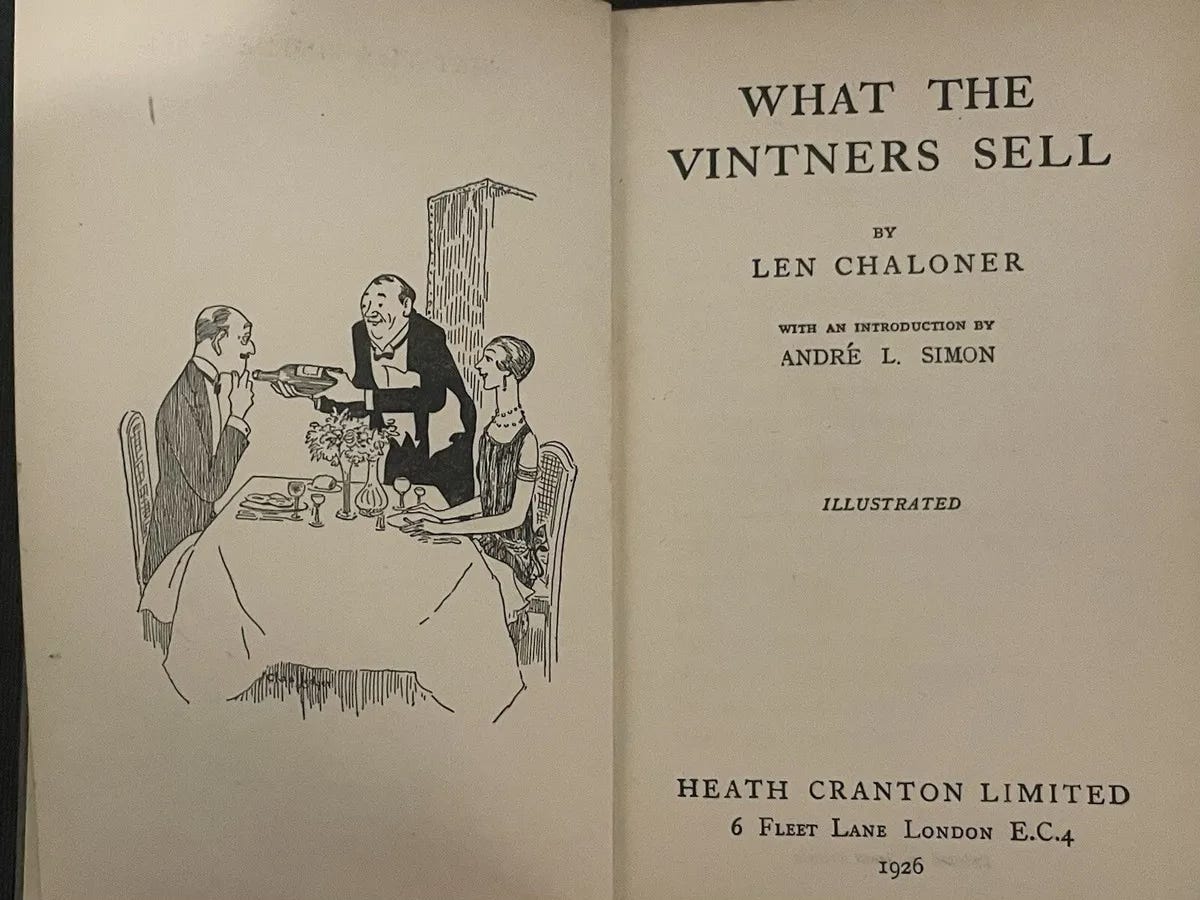
Joe Fattorini – Here are the always-opinionated musings from another Brit with a wicked sense of humor, a semi-jaundiced view of wine sales, and a strong interest in rare old books about wine. A fun read.
Jim Silver – Every entry is a master course on the business of wine marketing and sales, viewed on a macro level. It’s a deep dive into C-suite thinking on the most important challenges facing the industry today.
I have many more recommendations on my Substack. But these five are a good start. Another great way to stay current – subscribe to receive daily emails from this next group of sources. Each has its own spin; all provide links and headlines to stories with breaking news, industry statistics and opinion pieces. Simply scanning the headlines gives you a quick idea of all the latest developments, births, deaths and controversies. I get a lot of ideas for my own essays from these sources, which are all free.
Some favorite wine news sources
The Drinks Business Daily News – Anchored in the U.K., but good coverage of global wine, beer and spirits, restaurant news and much more.
Wine Industry Advisor – If you subscribe to just one make it this one. Links are well-organized by categories such as ‘Trending’, ‘Today’s News’, ‘Events’ and (on Fridays) ‘Top Stories of the Week’. A quick, thorough, unbiassed compendium of all the most important business news.
Wine Industry Insight – Similar to the Advisor, organized categorically, with a strong business emphasis. Also features a ‘Most Interesting Data’ graphic and a ‘Rest of the News’ list at the end of each post.
The Spill – Tom Wark, who must never sleep, puts together this weekday compendium of topical posts from blogs, wine newsletters, print publications and other Substack writers. It’s curated and inclusive, an excellent guide to some of the best wine writing outside of the standard sources.
Industry News Update – Also available here – both sources show identical material – links and reposted, full-length articles on sales trends in beer, wine and spirits, deep dives on alcohol and health, opinion pieces and more.
If there are others I’ve missed please shoot me a note.
Styring is tucked away at the far end of the tiny Ribbon Ridge AVA. Its estate vineyard produces a handful of wines each vintage, and up until a few years ago I reviewed them regularly. I pulled an older bottle from my cellar a few weeks ago and was delighted with its quality and condition. Realizing that I hadn’t tasted any new Styring wines since 2017, I stopped in at the winery last month and met Collin Styring, son of the founders, who is now in charge.
Here are notes on the current Pinot Noir releases, every bit as good as I remembered them, plus a bonus, first ever, blow-the-doors-off white wine. If you are a fan of Ribbon Ridge wines, Styring should be on your must visit list. And it’s worth noting that prices have not changed since I reviewed their wines six years ago.
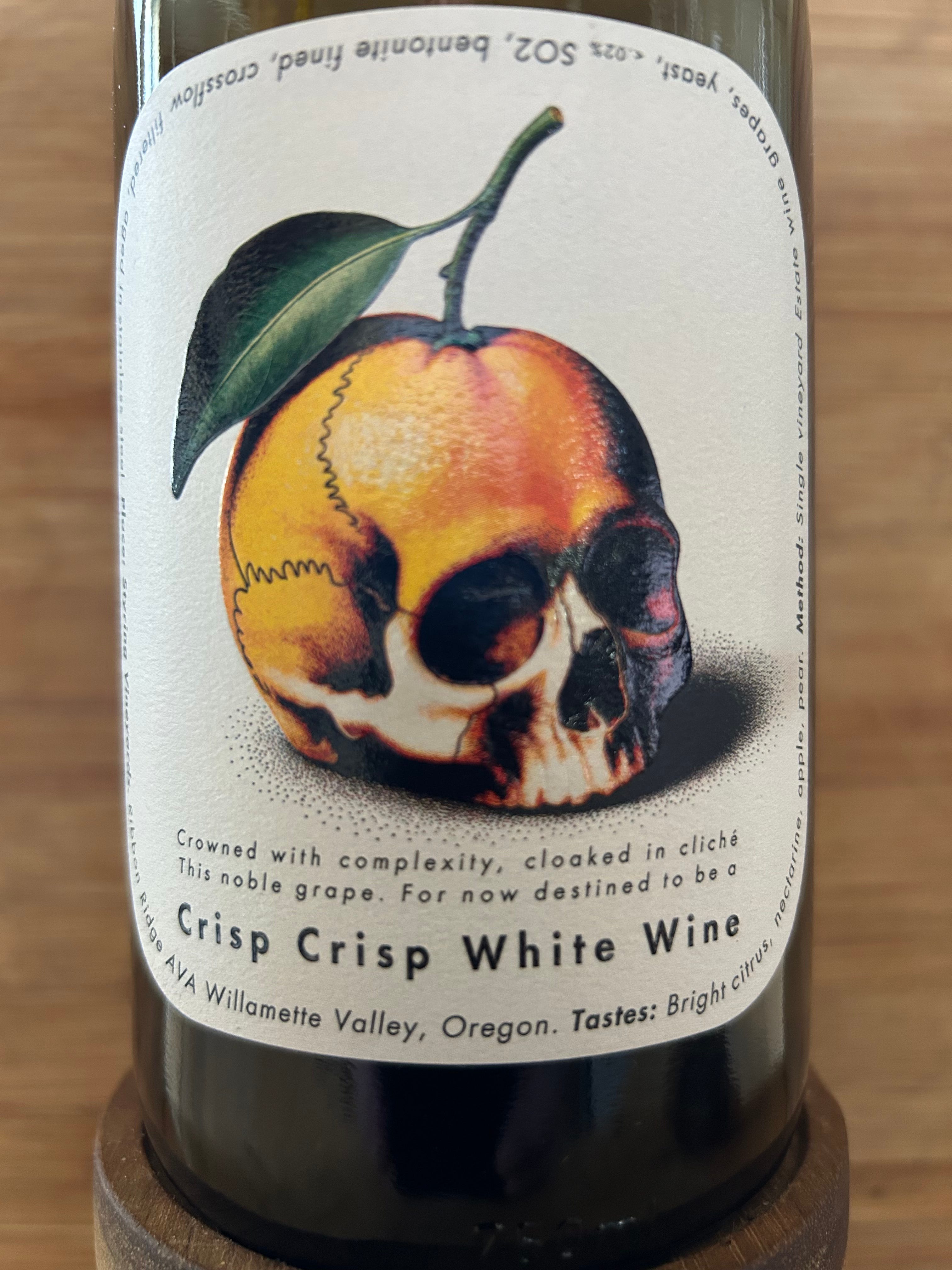
My tasting of the 2024 Styring Crisp Crisp White Wine, which I absolutely loved, led to some questions and an email exchange to find the answers. First of all, what is it? The only grapes grown at Styring are Pinot Noir and Riesling, and they do make a white Pinot, which I immediately assumed this to be, given its richness and color. Wrong! It’s 100% Riesling. Here’s Collin:
“While the ‘White Wine’ label is almost always reserved for blends, this one is single varietal and single vintage, 100% Styring estate (mostly dry) Riesling from our 2024 vintage. We’ve created this label to visually convey the wine experience, simplifying conventional fine winemaking notation to focus on (1) brand identity, (2) how the wine tastes, (3) and indicators of quality.
-
White Wine? ‘White Wine’ simplifies things and removes any bias regarding specific varietals, launching this wine into a broader category. Discovering this wine is 100% Riesling is consistently a positive surprise for consumers. The name & artwork also convey a fruit-forward experience, with a fun identity consistent with our gothic branding.
-
Non-Vintage? Simplicity. The back label reads “Handcrafted with grapes from our [22nd] harvest.” – indicating single vintage, quality, and a fun discovery for consumers who care to dig deeper.
-
Ingredients on front label? A reason to believe this wine is of the highest quality. Minimalist, and realistic fine winemaking from a winery with history in the Willamette Valley. The SO2 call-out is of particular interest: we’re re-framing for people as a percentage of volume. This is easier to understand quickly. The actual final total SO2 for this wine falls under .01% by vol. (<100ppm).”
PG: As of right now this wine is available at the tasting room and at every New Seasons Market in Portland. It’s not listed on the website, so a DTC request would have to be made via phone or email. The 2025 version has just been bottled, with increased production.
Styring 2024 Crisp Crisp White Wine (Riesling) – Identified as “grapes from our 22nd harvest” – 2024 – this is estate fruit, aged in stainless steel, with splendidly ripe apple, Meyer lemon, pineapple and papaya fruit. The 11-acre vineyard is almost entirely Pinot Noir, with a small plot of Riesling, here given star billing. It’s low in alcohol and big in flavor, with richness cascading into a super long finish with a buttery pastry crust kiss goodbye. 225 cases; 12.4%; $20 (Ribbon Ridge) 96/100
Styring 2023 Signature Pinot Noir – Though only 20% new oak is credited, it sets the tone for this young wine. And speaking of tone, what a lovely wine to simply admire in the glass. On to the mouth – toasty and tasty, it mixes raspberries and chocolate, cherries and cream pie flavors deliciously. But it doesn’t stop there – the wine gets more focused from mid-palate through the finish, adding streaks of espresso and graphite. Although it’s the most affordable Styring Pinot, it’s all estate fruit, all Ribbon Ridge AVA, and brings the character of the best wines from Ribbon Ridge – the smallest sub-AVA in the Willamette Valley. Second generation winemaker Collin Styring, working alongside his father Steve, is knocking it out of the park. 298 cases; 14.8 %; $35 (Ribbon Ridge) 94/100
Styring 2023 Estate Pinot Noir – Styring produces three Pinots, all estate, annually, and they stack up perfectly, each tier a bit more concentrated, more new oak, more density. This middle cuvée, a barrel selection, sees 40% new oak. It’s a wine that feels sculpted, precise, yet big in the fruit department. Baking spices, mountain berries, streaks of citrus and pie cherries, it finishes with a lick of cold coffee. The Signature is drink soon, this Estate is a couple of years away, and the Wit should go right into the cellar. 267 cases; 14.8 %; $55 (Ribbon Ridge) 95/100
Styring 2023 Wit Reserve Estate Pinot Noir – It was an older Wit Reserve that prompted me to reconnect with Styring. This is really the winery’s supreme statement, here just six barrels, 100% Pommard, and given two thirds new oak. All three Pinots are estate grown, with genuine but subtle differences. The extra new oak is important but not dominant; it’s the fruit selection that is driving the bus. Based on past experience, the Wit is the most ageworthy, and at this point is pretty compact. That said, Collin Styring’s approach as second gen winemaker seems to be to push the fruit forward (thank you Pommard clone), and make the wines less reductive and more accessible earlier. Decant this for near term drinking, but sock a few bottles away knowing that they will age beautifully. 151 cases; 14.8 %; $75 (Ribbon Ridge) 96/100
Irvine & Roberts 2023 Estate Chardonnay – A sharp, toothy wine, with a clean and tight focus. Fresh and showing Asian pear and green melon fruit, it opens up a bit through the mid-palate and softens further in the finish, adding flavors of butter cookie as it trails out. 1120 cases; 12.9%; $35 (Rogue Valley) 91/100
Irvine & Roberts 2023 Convergence Chardonnay – Clear and clean, with fresh green herbs and a mix of lemon oil, lemon flesh and lemon rind. It’s a pure evocation of this variety, Tension and clarity is the goal, and that goal has been met with precision and purpose. 610 cases; 12.9%; $50 (Rogue Valley) 92/100
Irvine & Roberts 2023 Ascendence Chardonnay – This is sourced from the lowest part of the vineyard, with the goal of being the most ageworthy. Given the acidity of all three I would say that they all can age for a good decade at least. The tougher question to answer is where will aging take them? The calling card now is freshness, a pure expression of immaculately clean fruit, neatly layered flavors of citrus flesh and rind, with light touches of new, lightly toasted oak and a measured impact from malolactic fermentation. This Ascendence shows the most concentration, along with appealing minerality. Grab some fresh oysters and pop the cork. 30 cases; 12.9%; $65 (Rogue Valley) 93/100
Pike Road 2024 Chardonnay – Currently on special ahead of the new vintage coming out, this mixes grapes from Kristoff, Quandary, Mount Richmond East, and Five Mountain vineyards. Consistent with past releases this offers crisp, clean tree fruits, peppery jicama radish and a light frame of lemon zest. 13%; $17 (Willamette Valley) 91/100
Pike Road 2025 Pinot Gris – White flowers and apple blossom scents, citrus and pear fruit flavors set up this vibrant, fruit-forward wine. Generally done entirely in stainless steel, this mixes estate and purchased Willamette Valley fruit. 13.5%; $18 (Willamette Valley) 92/100
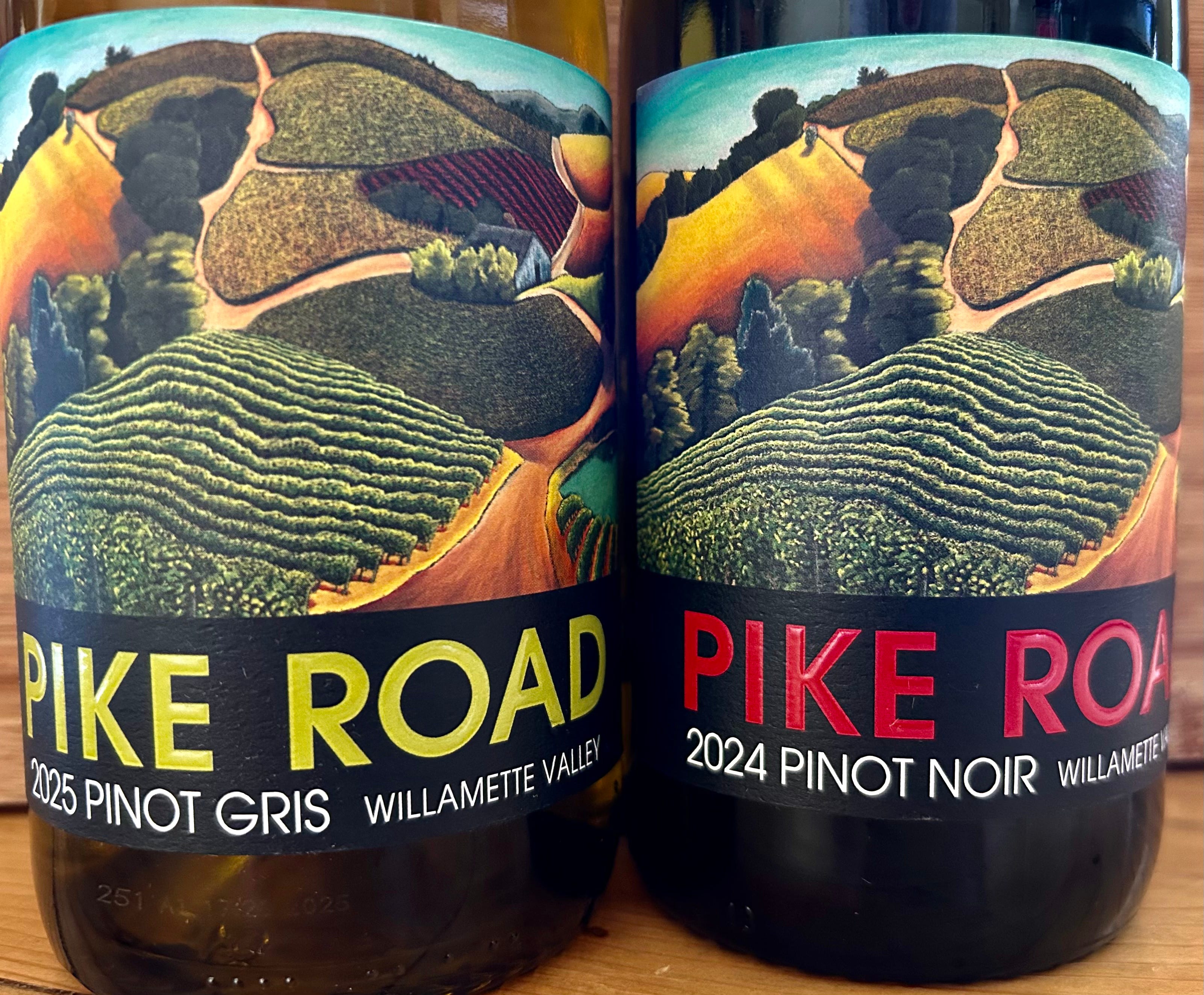
Pike Road 2024 Pinot Noir – Scents of lavender flowers, flavors of white raspberries and a hint of salted caramel get the flavors going for this value-priced Pinot Noir. Widely available, with fruit sourced from up to 20 different sites, all in the northern Willamette Valley. This is smooth, open and loose knit, uncomplicated in a good way and a fine value. 13.5%; $22 (Willamette Valley) 91/100
Pike Road 2023 Meyer Vineyard Pinot Noir – This label divides its offerings between value-priced Willamette Valley blends and mid-tier single vineyard expressions such as this Dundee Hills select from a Lemelson estate vineyard. Dijon clone, organically-farmed grapes put a polished, distinctive spin on this easy-drinking wine. Rhubarb, red currant and savory, peppery herbs come through, gliding along with a gentle fade. 14%; $50 (Dundee Hills) 91/100
Pike Road 2023 Shea Vineyard Pinot Noir – Black-fruited, firmly tannic, and unmistakably Shea in flavor and power, this is a showcase of blackberry, black cherry and currant fruit, with accents of cold coffee. Not as concentrated as some Shea selections, this catches the quality in a lighter style. 14.2%; $55 (Yamhill-Carlton) 92/100
Pike Road 2023 Big Red – Roughly half and half Merlot and Syrah from Bacchus and Los Oidos vineyards respectively, this blend is not all that unusual for Washington but an interesting addition to this Oregon winery’s portfolio. These are excellent vineyard sources by any measure, and time in 20% new French oak adds some polish and light toast. Flavors linger on cassis, black cherry, espresso and licorice, with crunchy tannins lingering through the finish. Good value, needs a bit more time or decanting. 14.2%; $30 (Columbia Valley) 92/100
Elk Cove 2023 Estate Riesling – There used to be a candy called SweetTarts and they featured fruit flavors with a tongue-tickling mix of sweet and sour. Which is what comes to mind tasting this lushly delicious Riesling. It’s not sour, but tart and tangy; not sweet, but juicy with ripe citrus fruits. Honeysuckle and wet pavement scents carry into the trailing finish. Give this a good chill and pour yourself a glass or two on a warm spring afternoon. 13%; $25 (Willamette Valley) 93/100
Elk Cove 2024 Estate Pinot Gris – This accents its dry finish with flavors of lime skin, green apples, and touches of rain on pavement (the word is petrichor). Lean, crisp and accented with Asian pear and dried sage. 21,430 cases; 13.5%; $22 (Willamette Valley) 91/100
Elk Cove 2024 Estate Pinot Noir – Bright, tart, rhubarb and cranberry flavors, fermented in stainless and aged in (apparently) neutral barrels. This is well-structured and balanced, with trailing flavors of green tea and lemon zest. Give it some time and the finish expands and lingers, showing that this affordable wine has cellar-worthy traits. 13.5%; $34 (Willamette Valley) 93/100
Elk Cove 2023 Clay Court Pinot Noir – A hint of mint accents the core fruit flavors of cranberry sauce and raspberry jam, heightened with sassy acids. The citrus component brings lime and blood orange, while the long finish trails out with hints of the time in 30% new oak. Give this ample aeration or another year of bottle age. 729 cases; 13.5%; $70 (Chehalem Mountains) 94/100
Elk Cove 2023 Five Mountain Pinot Noir – Purchased in 2005, wines from this historic site (first planted by Dick Ponzi in 1978) have proven to be among Elk Cove’s top scoring selections. These are well-defined, spicy, textured and distinctive wines, well deserving of single vineyard status. Mountain berries, composted earth, milk chocolate, coffee grounds, a touch of bourbon tea… this expressive wine really blooms in the finish. It’s quickly becoming one of my favorites. 729 cases; 14.2%; $70 (Laurelwood District) 95/100
Elk Cove 2023 La Bohème Pinot Noir – These vines are now almost four decades old – Pommard cuttings from the original Elk Cove vines. This is a special wine, with old vine gravitas, a wonderfully textured palate, fruit flavors of blackberry and marionberry jam, and accents of dried brush and Italian herbs. The deep core of berry fruit lingers through the long finish, trailing hints of lemon and orange zest. 557 cases; 14.2%; $70 (Yamhill-Carlton) 95/100
Willow
Willow 2023 WaterKeeper Red – A Bordeaux blend, half Boushey Vineyards Merlot, half Cabs and Malbec from Dineen. This has instant appeal, with a full, lush, downright yummy palate. There’s plenty of fruit and seemingly plenty of buttery barrel flavor, though neutral wood was used. This has the sort of soft appeal that became quite popular, especially with Merlot, back in the ‘90s. Whether or not it’s still in vogue, it’s still mighty tasty. Ready to drink, value priced and a portion of the proceeds are donated to water-friendly groups. 422 cases; 14.7%; $30 (Yakima Valley) 92/100
From the cellar
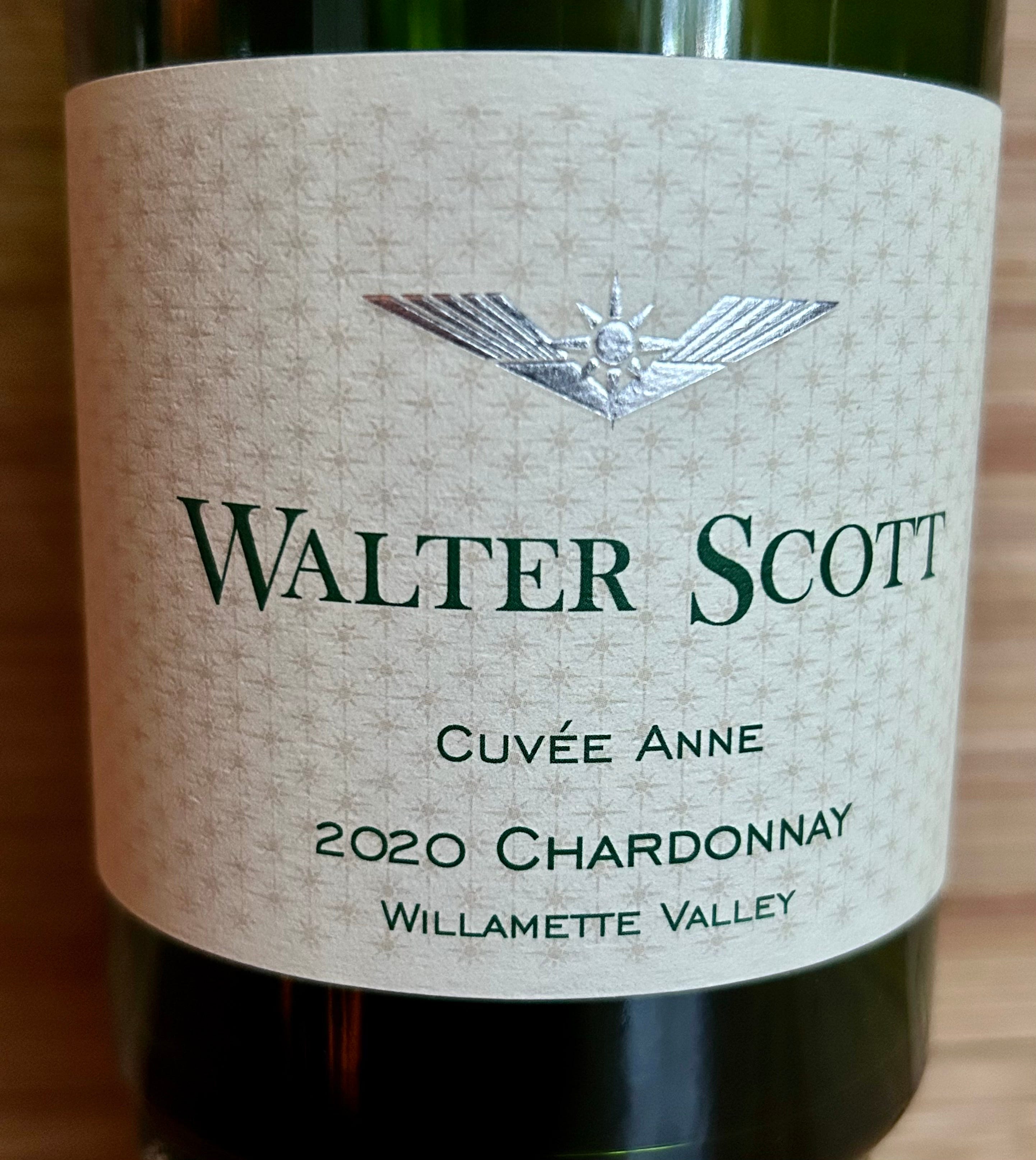
Walter Scott 2020 Cuvée Anne Chardonnay – The west coast wineries, especially the Oregon wineries, took a big hit in 2020 due to fires and smoke damage. And yes, it was real. But it was not everywhere. And yet that entire vintage was tarred with the same brush – avoid it. Well, here’s the truth – some very good, even great wines were made in 2020. This is one. Pulled from my cellar, I’ve been drinking a glass or two every evening for four days. And it is still delicious. Tart, sappy, dense with a lovely mix of citrus and tree fruits, it’s a wine in suspended animation. Other than a handful of Chardonnays costing far more you won’t find one this good.
My original (unscored) review from 2022 nailed it:
Walter Scott 2020 Cuvée Anne Chardonnay – Compounded of grapes from Freedom Hill and Seven Springs, this was fermented and aged in two thirds new French oak puncheons. The flavors of barrel toast shine through in the aromas and inform the overall palate impression. It drinks like a much more expensive wine, with a definite French Burgundy profile, lush acids and complex flavors of citrus, notably oranges. Put this in the cellar and try again after 2025. Cellar Wine. 308 cases; 13%; $40 (Willamette Valley)
Note to Wineries: Please send your wines as soon as they are released, at the same time they go out to other reviewers. Include as much technical detail as you have; at a minimum I want release dates, retail prices and case quantities for every wine. A broad representation of wines from your portfolio, including wine club only selections, is optimal for a full analysis. Only positive recommendations will be published. In order to have your wines reviewed you must subscribe to this Substack. It’s free and takes only a couple of minutes of your time.