3 Industry Veterans on the Future of Californian Wine| Wine Enthusiast
There’s no doubt. California wine faces an uphill climb.
From Mendocino down to Temecula and everywhere in between, wine growers, producers, and sellers in the state (and all over the world) have felt the crunch. A string of rough years after more than a decade of unfettered growth and the unexpected, unsustainable burst in sales during pandemic lockdowns has created a considerable glut. Warehouses are overflowing. Vines all over the state have gone untended. Crops unsold. Some vineyards were cleared completely.
The less obvious challenges facing the industry are just as significant: Neo-prohibitionists have gained influence at the federal level, equating wine with the overconsumption of hard spirits. GLP-1s are increasingly popular for medical and cosmetic purposes, and an unintended side effect is a decrease in alcohol intake. Many baby boomers, who helped drive the early-2000s wine boom by collecting and sharing bottles daily, are aging out of meaningful consumption. Meanwhile, many younger wine-curious drinkers feel alienated by high prices, flawed wines pretending to be natural, and pompous language that seems out of touch with current values. Not to mention international trade tensions, legalized cannabis, and widespread consumer confusion.
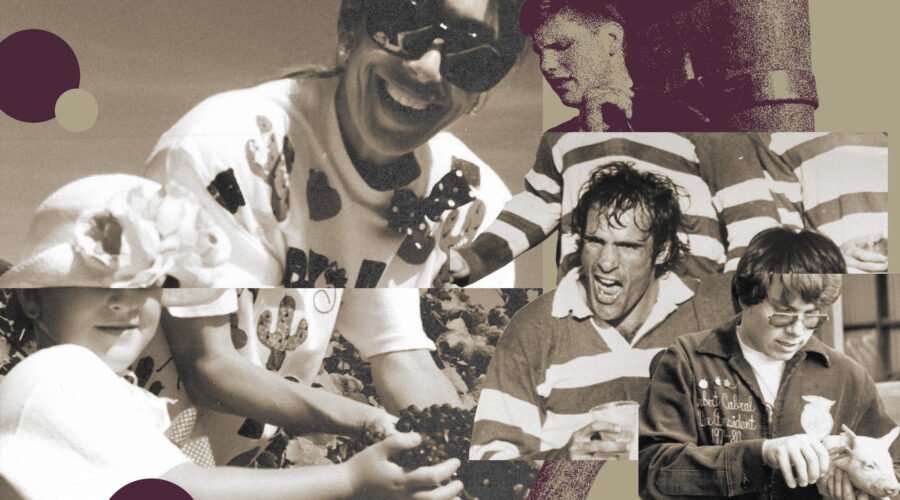
All of this may seem insurmountable, but parts of it resemble patterns that the industry has endured before. While generational trends come and go, wine has been a part of human culture for millennia. Wine Enthusiast chatted with three industry veterans who witnessed the manic expansion of California wine to hear about their start in the business, what it took to make California wine relevant, and how they see a future through the current malaise.
The Veteran Voices
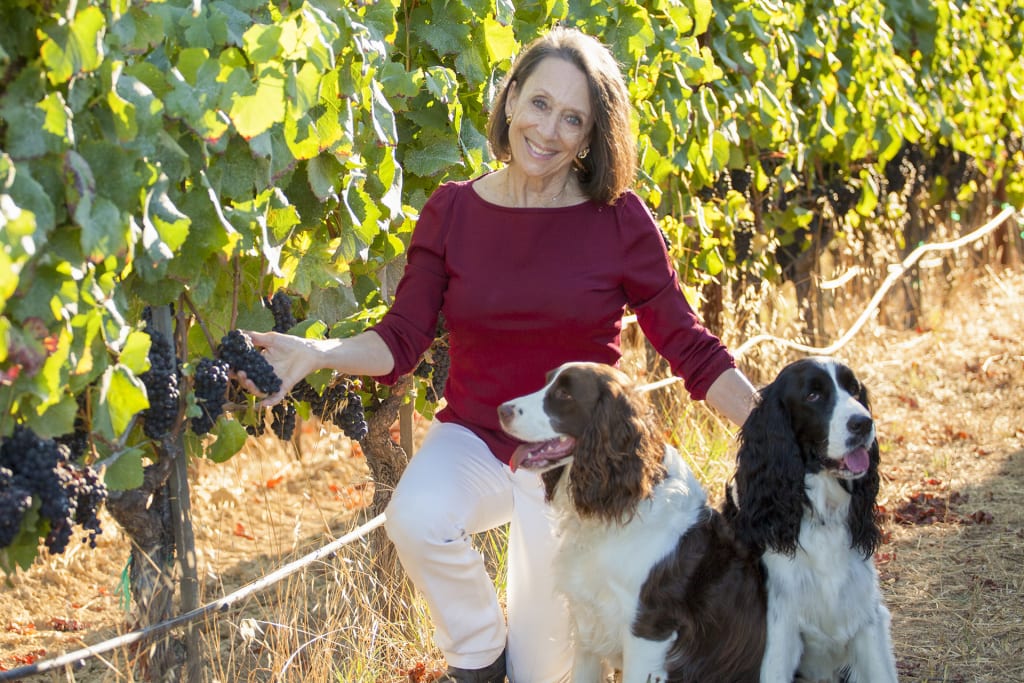
Marimar Torres, Founder-Vintner at Marimar Estate Vineyards and Winery
After moving to California in the mid-’70s and representing her family’s wines, Torres decided to start a winery of her own. In 1983, she purchased a plot of land in what became the Russian River Valley AVA and began planting Chardonnay. Since then, Torres has crafted world-class Chardonnay, Pinot Noir, and Spanish varietals from her estate vineyards.

The Conversation
Wine Enthusiast: How did California’s blossoming wine industry feel to you at the beginning?
Bob Cabral: It felt like an extension of how I grew up around grapes and wine—just a natural part of life. Some farmers grew the grapes, others turned them into wine, and we all enjoyed it daily. There were small family vineyards and wineries that made incredible wines. Then the French Paradox was featured on 60 Minutes [in 1991], and suddenly red wine became associated with a healthy lifestyle, and the future looked very promising.
Marimar Torres: In California, in 1975, there was no culture of wine. Robert Mondavi was the icon of California wine. Then came Steven Spurrier’s Judgment of Paris in 1976, which elevated the category.
Tom Klein: When I came into the wine industry, I truly felt I had found my home. The growing, winemaking, and all of it come back to the importance of location and quality. When I came to Sonoma County, it was the place to be, and I couldn’t imagine being in the wine business anywhere else.
We’re all used to seeing nearly endless rows of vines in many areas of California. How did the landscape feel before so much planting?
MT: When I arrived to the property where our winery is now [in 1983], there were no vineyards at all. I remember calling my brother and telling him that after 18 months of searching, I had found the ideal property! His answer was: But are there any other vineyards there?
Did you think that there was a time when California wine was growing too fast or too big?
TK: Growth can be exciting, but it must be rooted in quality. You need to invest in top vineyards and focus every decision aimed at creating better wine and experiences. Increasing volume without a dedication to excellence doesn’t benefit the consumer or the industry in the long run.

What strikes you as the most important development in California wine over the past 30–40 years?
BC: Wine quality. What we call “bad wine” today is very different from the wines we made three or four decades ago. Today, you might dislike the taste or style of the wine crafted by the winemaker, but back then, wines often had genuine flaws like high volatile acidity, Brettanomyces, TCA, or overly bitter and dirty flavors. With advances in technology, we have been able to fix many of these issues, making wine much more enjoyable.
How do today’s challenges differ from those in the early years of California’s wine industry?
BC: In the ’80s and ’90s, we were writing the procedure book as we went along—if this worked well, then do more of that. If that didn’t work, find another way to accomplish the goal. Today, you’d better throw away that old playbook and start rewriting your new destiny.
TK: The greatest challenge I saw then was simply proving California wines so they could stand beside the world’s best. Today, the challenges are different—we face global competition, climate pressures, and consumers with more choice than ever.
What do you see as the greatest threat to wine businesses like yours?
TK: With more choices for consumers than ever, we have to show that the responsible enjoyment of wine is part of a life well lived, and that wine brings people together, both family and friends, as nothing else does. I feel confident that we can do this and that the wine business will rebound stronger.

What’s a lesson that took you years to learn that you’d want every young person in the wine business to learn right off the bat?
BC: I quickly realized that we are not in the wine-making business, but in the wine-selling business. And if you’re not in the wine-selling business, you’re in the wine-storage business, which is worse. We can make the greatest wines in the world, but if they are not shown to the right consumers, you probably won’t be around for very long.
MT: Learn to stumble and fall, and get up on your own, so you get the experience and learn to pick yourself up and move on. Also, protect your relationships like you protect your own vines.
If you had a magic charm to “fix” the wine business, what would it be?
MT: I’d simplify how we talk about wine; we’ve made it intimidating. We should be inviting people in, rather than being condescending.
BC: I would try to show the world that wine can be enjoyed by everyone and bring us back to a more communal society. Like most things, when consumed in moderation, wine can be a very healthy part of life.
TK: Continue to improve, make your grapes and your wine taste better, and invest in sustainability. You can’t fake it—it’s got to be real.
With more choices for consumers than ever, we have to show that the responsible enjoyment of wine is part of a life well-lived, and that wine brings people together, both family and friends, as nothing else does.
Tom Klein, Rodney Strong Vineyards


California Wine by the Numbers*
California Vineyard Acreage Bearing Fruit
Judgment of Paris Era: 236,000 acres
Turn of the 21st Century: 480,000 acres
Present Day: 550,000 acres
Average Cost of Fruit
Judgment of Paris Era: $106 per ton (estimate predates proper tracking)
Turn of the 21st Century: $555 per ton
Present Day: $979 per ton
Quantity of Fruit Produced
Judgment of Paris Era: 1.2 million tons (estimate predates proper tracking)
Turn of the 21st Century: 3.05 million tons
Present Day: 2.7 million tons
Bonded Wineries in California
Judgment of Paris Era: approx. 330
Turn of the 21st Century: approx. 620
Present Day: approx. 4,700
Estimated Cases of Wine Produced per Year
Judgment of Paris Era: approx. 84 million
Turn of the 21st Century: approx. 225 million
Present Day: approx. 178 million
*California vineyards’ record-keeping over the years hasn’t always been precise. These numbers are close estimates based on available data.
This article originally appeared in the June/July 2026 California Issue of Wine Enthusiast magazine. Click here to subscribe today!
More American Wine Coverage

In the Shop
Bar Cabinets: Wine & Spirits Furniture
Display (or hide) your bottles in style with versatile pieces in a variety of shapes and customizable refrigeration options.
Published: May 19, 2026
Like what you’re reading? Learn more about: